Mental Health

Adrenal Fatigue: Why getting out of bed may be so hard...

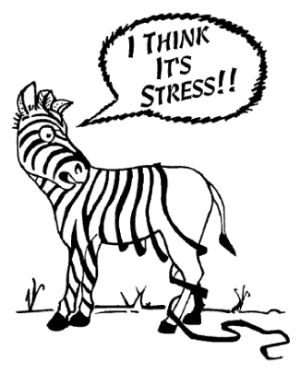
Stress-Zebra.gif

During the darker months, we are meant to rest more, but that rarely happens. You may have long hours at work, wee ones running around or even a new puppy keeping you up (like a few people I know!). All of these run you down and you may feel like you cannot climb out of the hole. Fear not my fellow zombies, there is a reason behind your fatigue and ways to fix it.

What is Adrenal Fatigue?
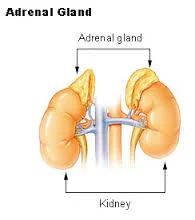
adrenal gland.jpeg

A simple explanation is that you body can't produce enough cortisol, your stress hormone, to keep up with your daily stressors. Therefore, adrenal fatigue is caused by too much stress! There are two portions to your nervous system, the sympathetic, or "fight and flight" response, and the parasympathetic, or "rest and digest" response. Our bodies prefer to be in "rest and digest" the majority of the time, and only "fight and flight" when needed, such as running away from something or pumping you up for a presentation. These days, people are experiencing the opposite! We have too many stressors and we are not giving ourselves the proper time to relax. Your adrenal glands, which sit on top of your kidneys, then have to work on overdrive to produce enough stress hormone to cope...which then runs out! 

Signs of Adrenal Fatigue:

There are several common signs that your stress glands has been working overtime. 

  • I get dizzy when standing up rapidly.
  • I have chronic fatigue, and rely on stimulants. 
  • I am groggy in the morning, and have trouble getting out of bed. 
  • I have trouble getting to sleep.
  • My muscles feel weak.
  • My allergies are getting worse, and I have multiple sensitivities.
  • My skin is more reactive lately.
  • I frequently feel colder than others.
  • The term "hangry" rings true for me. 
  • I crave sweets.
  • I have been suffering from depression or low mood. 
  • I am frequently sick. 
  • My sex drive is low.
  • I have experienced a lot of stress in the past.

Cortisol, your stress hormone, has a natural curve throughout the day, helping you get out of bed in the morning and get to sleep at night. With too much stress this curve may either be flipped, making you feel "wired and tired," or disappear, which is adrenal burnout. A salivary test, done by an ND, is one way to see where your cortisol peaks and dips, giving us a better idea on how to treat. 

Cortisol-Rhythm.jpg

What can you do?

Usually we cannot take away stress, but we can find ways to better handle it. Some people are more stress resistant than others. This may be due to a number of things such as how much control they have in a situation, their social network, their attitude, their self-care exercises, and/or how much humour or fun they have in their life. These are things we can start to incorporate into our lives to better cope with stress. 

  • Mindfulness - Whether this includes daily meditation, yoga, or simply 5 deep breaths a few times a day, mindfulness and relaxation helps to turn our bodies towards "rest and digest." Our stress gland is given time to heal and restore. We tend to hold our breath on the inhale when frightening or shocked, therefore focus on the exhale while deep breathing to turn on your parasympathetic nervous system. 
  • Exercise - Exercise helps to release feel good hormones, putting you in a better state of mind and prepared to tackle what comes at you. However, ensure you aren't burning the candle at both ends by pushing yourself too much.
  • Sleep hygiene - Our bodies love rhythm and routine (remember that cortisol daily rhythm!), so it is important to have a sleep rountine. We need a minimum of 7-8 uninterrupted hours of sleep/night to restore and repair our bodies, while decreasing inflammation and cortisol levels. 
  • Diet - Keeping your blood sugar steady will avoid an unnecessary stressor on your body. Therefore, not skipping meals or eating a handful of candy, but eating a protein rich breakfast instead. Focusing on a nutrient dense, colourful diet is important to ensure you are feeding your body. For example, vitamin C, B vitamins and magnesium are food for your adrenal glands. (Getting these nutrients in high doses via IV may be an option with your ND.)
  • Adaptogens - These are herbs that nourish, heel and replenish your adrenal glands. Some of my favourites are Ashwagandha, Holy Basil, and Rhodiola. They may be needed for an extra boost. A Naturopath can help you find the best ones for you. 

Pushing yourself to be perfect - eat a clean diet, meditate, do yoga, sleep 10 hours/night everyday - is also not the solution. Balance is the key word. Enjoying what life brings to you, taking it as it comes and eating a small brownie, might be just what you need to decrease your stress hormone at the time. So go to that yoga class, eat a salad for lunch but don't put too much pressure on yourself and a stress-free life will follow. 

Need support to help you feel yourself again? Reach out to book your free 15 minute complimentary consult. It might just be the step you need. 

Are you suffering from anxiety or digestive issues due to your adrenal fatigue? These posts might be of interest to you. 6 Ways to Conquer your Mind; 3 Ways to Improve Digestion

In health & happiness, 

Dr. Karen 

5 Ways to Beat the Blues

winter .jpg

We have now settled back into a routine after the excitement of the holidays and trying to stay happy, healthy and warm. It is easy however, to get pulled under by the lack of sun and shorter days. It is no wonder why "Blue Monday" exists in January, supposedly the 3rd Monday of the new year. 

Let's boycott Blue Mondays this winter by focusing on these five ways to beat the blues. These are simple things you can incorporate into your life to keep that smile on your face. An important point is that there could be a easy explanation as to why you are feeling a little down and ruling these out first is key. There are a few common reasons, I see in my practice, for why people get the blues. They are adrenal fatigue, hormone imbalances, hypothyroidism and food allergies/sensitivities. Simple blood work, a health history and/or elimination diet can help decipher if your mood is affected by one of these issues. 

But what can you do? 

1. Eating a colourful diet with good protein - Processed, high sugar foods will weigh us down and cause inflammation. This is also true for food allergies/sensitivities. Increased inflammation in the body will lead to increased cortisol levels and in turn, decreased serotonin production. Serotonin is an important "feel good" neurotransmitter, along with dopamine. Good quality protein, such as grass fed beef, chicken, eggs, or beans and nuts, provide necessary amino acids to build those "happy" hormones and neurotransmitters. Greens, such as spinach, kale and parsley, aid in detox, making you feel a little lighter! Try a green smoothie, or bean chili to increase your nutrient intake. 

2. Sweating - On these snowy days we tend to sink into the couch. Exercise, even moderate amounts, have been proven to increase endorphins and serotonin production, ultimately improving your mood. Start by walking 30 minutes at lunch if you are just getting back into it, or increase the intensity with HIIT workouts or at home exercises

3. The sunshine vitamin - One of the first vitamins I think about when it comes to mood is vitamin D. It plays an important role in many things, including bone, skin and immune health, but it also contributes to improving mood. There are several studies that show an association with low vitamin D status and mood disorders, including seasonal affective disorder (SAD). Many of us are deficient in vitamin D. 30 minutes of full-exposure to sunlight, without sunscreen, can provide between 10,000 to 20,000IU of vitamin D. In the winter, or if we work in an office all year, that is difficult to get therefore we need to supplement. I suggest 2000-5000IU/day for mood disorders, however it is recommended to have your vitamin D levels checked to avoid toxicity. 

4. B vitamins - The B vitamins are also important to regulate mood. These vitamins are necessary for every energy reaction in your body, including the production of hormones and neurotransmitters mentioned above. Women on oral contraception become deficient in B6 (pyridoxine), therefore it is even more important to supplement in these women. I recommend a multi-B vitamins, with higher amounts of certain Bs depending on the person. 

5. Decrease stress - I've mentioned that increased cortisol can lead to decreased serotonin production, our "feel good" neurotransmitter. When stressed, it is harder to find the joy in things around us, therefore harder to dig ourselves out of the hole. Adequate sleep, yoga, meditation, writing to-do lists, and a good social network are all great stress busters. I have proven all of these! Enjoying the odd snow day off with homemade cookies and a movie can go a long way to improving our mood. 

As you can see, Naturopathic medicine has many tools up its sleeve to help beat the blues. There are other nutrients and botanicals that I would consider, depending on the person and if they are on medication or not. If you feel like your mood is dipping, please consider these options or book an appointment with me or your local ND. We are happy to help! 

In health and happiness, 

Dr. Karen 


(Photo cred: www.pivotcon.com)

The Mind-Body Connection

Namaste Nova. Photo cred: Tamara Cox

Namaste Nova. Photo cred: Tamara Cox

Happy June my fellow health nuts!

I am feeling very grateful this week as I was lucky to bring in this month at a Yoga Retreat, put on by the wonderful Michelle of yogabeyondthebody.com. We gathered at Namaste Nova, about 45 minutes outside of Halifax, and what a beautiful and peaceful place! Check it out if you are interested in doing a wellness retreat. They are known for Body Talk, a holistic therapy working with animals, and also offer weekly yoga classes in their yurt...yes a yurt! 

The Mind-Body Connection

I see many patients who are always on the go, who suffer from insomnia, who hold tension somewhere in their body, and so on, so I tend to always stress the importance of the mind-body connection. It is inevitable that our bodies will suffer in some way if we continue to live in the "fight or flight" portion of your nervous system, instead of the "rest and digest" portion. For that reason one of my "at home remedies" I suggest to patients is of course yoga. What a wonderful holistic form of medicine

I sometimes forget how good yoga makes me feel – physically, mentally and spiritually. That is exactly what I felt after my yoga retreat. As Michelle taught us, there are different forms of yoga - not only moving our body, but using mantras or working through exercises to better understand ourselves. Since it does such good things for me, I wanted to remind you of some of the many benefits of practicing yoga. Whether you are young or old, male or female, flexible or not, it has similar benefits for everyone.

Meditation – One of the best ways to calm your mind, reflect and bring your body into parasympathetic mode (“rest and digest”) is through meditation. It can simply be conscious breathing. Like most, my mind tends to wander, so bringing my attention back to my breathe is helpful. This is especially helpful after a busy and stressful day. Stress can create tension in our bodies, and breathing helps us relieve that tension. I suggest taking time for 10 deep breaths during the day, at yoga, or when lying in bed at night. Meditation and breathing is such a simple tool, yet so powerful.

Flexibility – Sitting at a desk all day, exercising in one position (eg. biking), and stress are all reasons why our bodies may be in contracture. This can lead to poor posture and injuries. Improving flexibility by stretching will lengthen muscles, relieve tension (both physically and mentally), and reduce the likelihood of injuries. So whether you can do the wheel, or a simple hamstring stretch, your body will benefit. You'd be surprised what a slow moving Yin class can bring up and release...I know I was! 

Balance – Back in my ballet days, balance came much easier to me. However, over the years of sitting in classes and getting sucked into reality TV, I wobble slightly more than I would like. Yoga is a great way to increase balance with several poses such as tree or half moon. Balance becomes even more important as you age, to prevents falls and more harmful injuries.

There are many more mental and spiritual benefits of yoga that you can explore and will come to love.

For whatever your reason, step on that mat and thank yourself for practising. I believe you will be better for it! 

In health & happiness, 

Dr. Karen

To gluten or not to gluten?

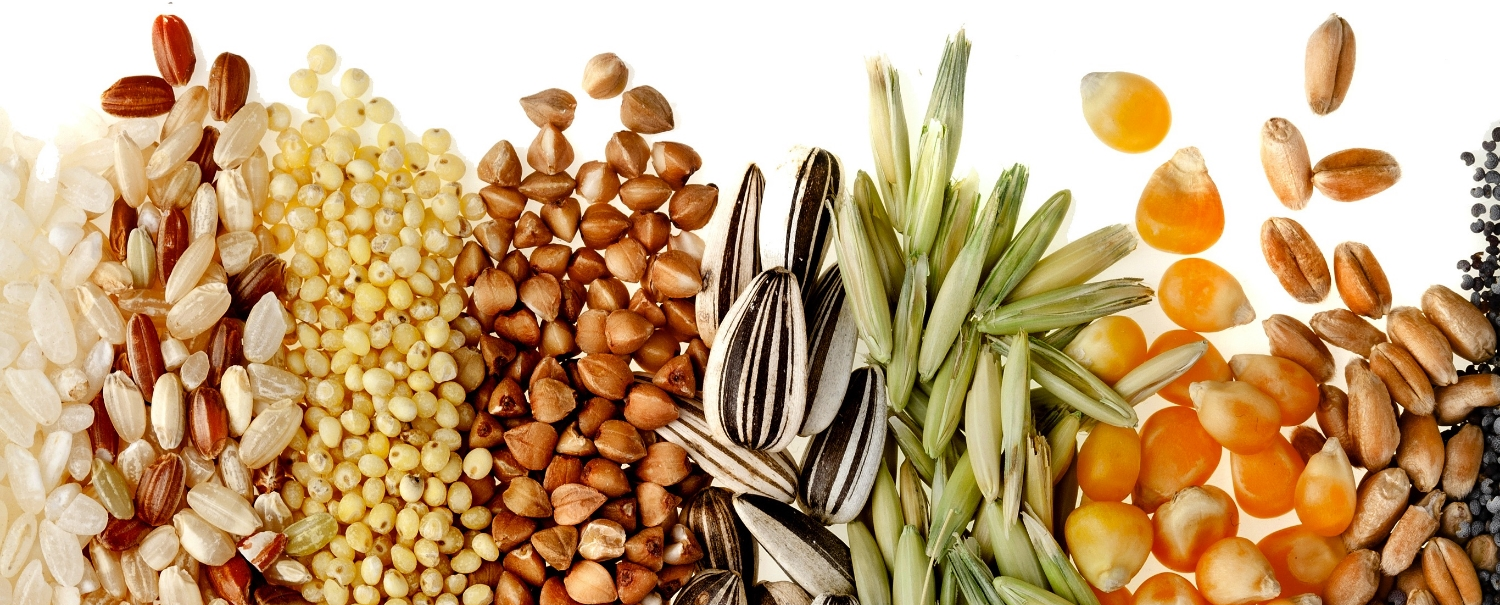
Gluten free grains and seeds :)

Gluten free grains and seeds :)

The term "gluten free" is starting to pop up everywhere, from baked goods, condiments, and even take out pizza. So...you may be wondering if going gluten free is right for you, or if it is just a "fad". 

May is Mental Health month and since gluten has been shown to be a silent cause of MANY mental health conditions (Dr. David Perlmutter's Grain Brain goes into much detail), I thought this was the right time to take you through why I believe this "fad" is more that just a fad. It may be your solution. 

Many diets have come and gone. So unlike fads in fashion, which I admit to caving to on numerous occasions, I am cautious when it comes to nutrition and tend to not waver on my recommendations. One of these recommendations however, for many of my patients, IS a gluten-free diet. This diet isn't necessary for everyone but new research is showing that around 1 in 10 people are sensitive to gluten (1 in 300 are celiac - inflammation on overdrive creating an autoimmune reaction to gluten). 

Are you gluten sensitive?

Are you suffering from any of the following?

                                           www.buzzle.com
  • feeling sluggish
  • brain fog
  • headaches
  • depression/moodiness
  • ADHD
  • memory loss
  • anxiety
  • let's not forget symptoms not associated with mental health - skin rashes, allergies, joint pain or any form of digestive issues

If you answered yes to any (or many!) of these symptoms, gluten may be the culprit. In Naturopathic Medicine, the terms leaky gut and food sensitivities are frequently used. When we frequently experience stress, we spend more time in the "fight or flight" portion of our nervous system and not the important "rest and digest" portion. This prevents proper digestion of food causing inflammation in the gut, which then leaks into our blood stream causing systemic issues. While symptoms could be triggered by a variety of foods because of this process, gluten can cause more issues due to over-exposure, over-processing and its effect on blood sugar.

Let's talk about blood sugar. When digested (if at all), these grains are broken down into glucose very quickly. The glycemic index (or surge of blood sugar) of whole grain bread is higher than a snickers bar or a banana (!), stressing our pancreas to produce more insulin in order to transport glucose into our cells. High blood glucose leads to inflammation - in our gut, joints, skin or the silent organ - the brain! There are no pain receptors in our brain and high glucose (and low dietary fat - but more on good fats later) can wreak havoc without any concrete indication. Inflammation will decrease neurotransmitter levels, which are responsible for keeping us happy and healthy, and affect our neurons and the signals they send for memory and so on. 

Gluten being over-processed, genetically modified and over-consumed is a whole different segway but I won't bore you with that today. Instead let's explore some basics. 

What exactly is gluten?

Gluten is a mixture of proteins, gliadin being one, in many grains. It is responsible for the chewiness of many bread products that we eat every day. It can be found in:

  • wheat (most breads, pastas, cakes, cookies, donuts...you get the picture)
  • barley
  • farro
  • kamut
  • rye
  • spelt
  • many pre-packaged foods and condiments (eg. ketchup, soy sauce, salad dressings)

So what can I eat?

If you are experiencing any of the above symptoms I suggest cutting out gluten for a month and keeping tabs on your symptoms. If you feel better, thats fantastic - keep it up. If not, more exploration with your ND is necessary. The gluten free trend makes it much easier to replace your bread for bread, pasta for pasta, cookie for cookie etc, but pre-packaged gluten free foods and some flours tend to spike your blood sugar even more. Therefore focus on healthy whole grains and legumes (think quinoa, buckwheat, sweet potato, rice). You'd be surprised what foods are out there when you open your eyes and experiment! The following foods are gluten-free:

  • amaranth
  • arrowroot
  • buckwheat/kasha
  • corn
  • flax
  • millet
  • oats
  • quinoa
  • rice
  • tapioca
  • potato
  • teff

Follow my food Fridays to learn some new recipes or check out my favourite food blogs for some more ideas. If you enjoy baking like I do, try experimenting with buckwheat, quinoa, and coconut flour! 

Its a lifestyle change and I understand it can be hard at first but trust me, its worth it for some people. You may not need to stick with it forever so check in with your ND. 

So clear your brain and get happy! In the words of Pharrell, - "Clap along if you feel..."

IMG_4147.JPG

In health & happiness,

Dr. Karen