
Benefits of Eating Seasonally

farmersmarket.jpg

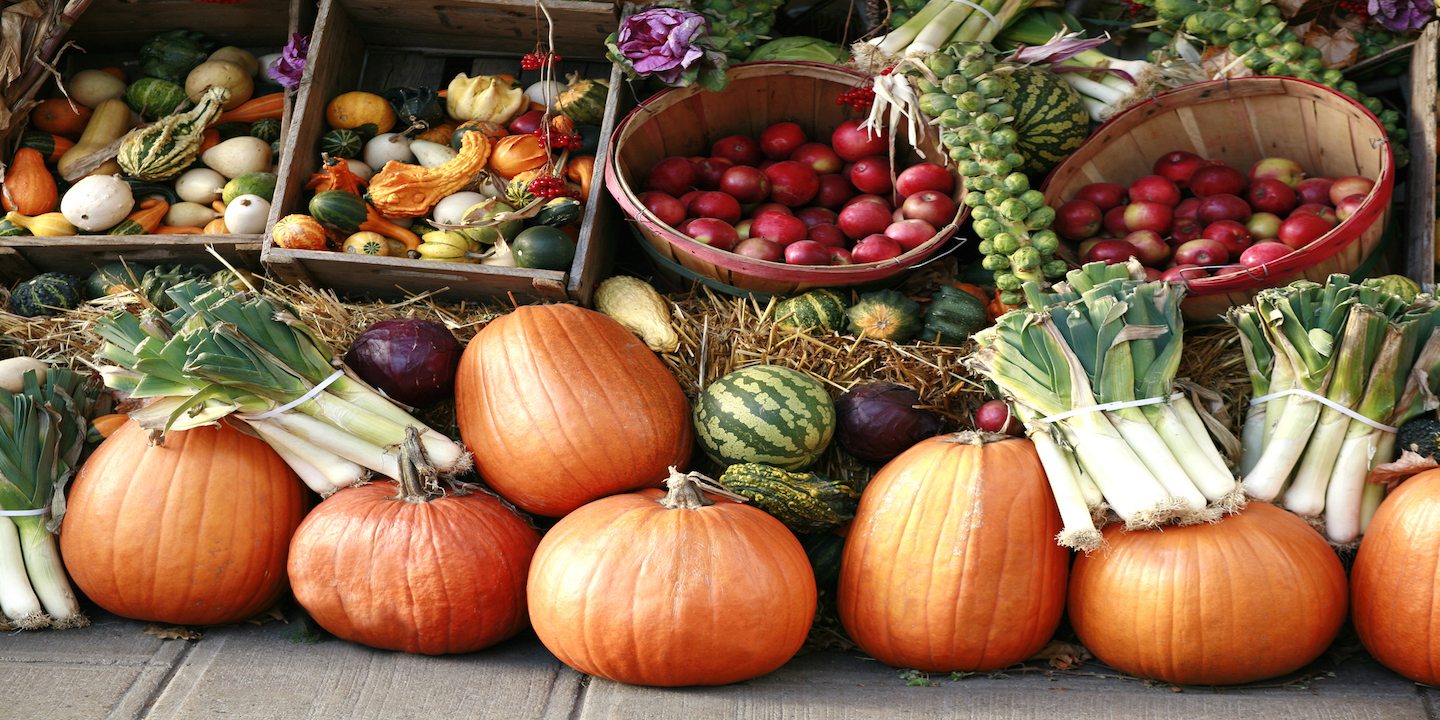
With the colours changing on the trees, it is time to take advantage of those last good trips to the famers market and stock up on delicious, nutritious fall foods. There are several reasons to eat foods that are abundant at this time of year. We want to eat a seasonal and varied plant-rich diet to support our body and its natural processes. Michael Pollen says “eat foods, mostly plants, not too much.” I would add (among many things) to eat seasonal foods, mostly plants, not too much because of their benefits. 

It is so easy to forget about seasonal eating with modern day food processing and worldwide distribution. The lines have gotten blurred as to what foods are appropriate when, creating a monotone diet that was not possible in the past. Here are a few reasons why eating seasonally is important:

Most flavour and nutritional value:

Foods travelling less km will lose less nutrients and therefore provide greater freshness, flavour and health benefits. Plants get their nourishment from the sun and soil so when that changes so do their nutrients. Have you ever eaten a spaghetti squash in the spring and realized it is much harder to shred and tastes bland? Or a peach in the winter that tastes nothing like the fresh ripe juicy peach from the summer? This is exactly what I am talking about. Nutritional changes in food have been studied often for example a Japan study found 3 times more vitamin C in spinach harvested in the summer versus winter. 

Eating seasonally supports our health-promoting microbiome:

What is your microbiome you ask? It is the abundance of good bacteria that resides in our digestive system (and all over actually) that help your overall health including immune health, digestive health, skin health, blood sugar balance, weight management and so much more! Our gut bacteria is ever changing for the good and eating seasonally contributes to this. Fall foods contain things like resistant starch (in foods such as onions, leeks, garlic) which feed the good bacteria, as well as polyphenols providing antioxidant support. A highly processed diet with sugar, unhealthy fats and carbs can negatively shift the microbiome within 24 hours! Luckily with can remain calm in knowing it can shift back within that time frame by eating a plant-rich healthy diet. So you can forgive yourself for indulging over the weekend. One idea is that in the fall we want to limit fruit that we indulged in in the summer as too much fructose-rich fruit and a more sedentary life may cause a yeast overgrowth leading to feeling bloated, moody and with skin changes. 

Lower prices:

Due to an abundance of produce that is easier to grow prices usually drop.

Decrease carbon footprint: 

I am all for outsourcing foods such as avocado, superfoods such as matcha or acai berries, and cold pressed coconut and olive oils but we should take advantage of what we have close to us to reduce our food mileage. 

Community: 

Finally there are many studies on the benefits of building a community around you to live longer and feel happier and what better way to do that than around food! Take advantage of those friendly faces at the farmers market stalls or CSA pickups while getting your seasonal foods, but why not build a community around cooking those foods as well. It could be with family on the weekend prepping meals for the week, or with friends one evening during the week to break up the mundane work work. Get creative :)

Check out a list of seasonal foods below. These foods are rich in phytonutrients and fibre, along with delicious resistant-starch options:

  • Acorn Squash
  • Artichokes
  • Arugula
  • Beets
  • Broccoli
  • Brussel Sprouts
  • Butternut Squash
  • Celeriac
  • Delicata Squash
  • Escarole
  • Garlic
  • Leeks
  • Onions
  • Pumpkins
  • Radishes
  • Rutabega
  • Spaghetti Squash
  • Sweet Potatoes
  • Sunchokes/Jerusalem Artichokes
  • Turnips

Seasons should form the natural backdrop for eating and in Canada we have wonderful seasons to take advantage of for our overall health. 

In heath & happiness, 

Dr. Karen 

Food Friday: Delicata Squash Fries

squashfries1.jpg

Last weekend at the farmers market I felt like a kid in a candy store with all the amazing fall produce out! I am extra excited when I find delicata squash, my favourite fall squash that only comes out at this time of year. I already wrote about how I use it in my favourite Moroccan Fall Stew, but here is a quick and delicious way to eat them. I made these fries for a big brunch over the weekend and they were definitely a hit. Delicata squash have very thin skin so you don't need to peel them. They are also a bit sweet like other squash so they pair nicely with a little spice or curry. Enjoy!

Ingredients:

  • 2 delicata squash 
  • 1-2 tbsp olive oil
  • 1/2 tsp sea salt, or to taste
  • 4 tbsp mayo 
  • 1 tbsp curry powder
  • 1 tsp lemon juice

Directions:

  1. Preheat the oven to 400F and line a baking tray with parchment paper. 
  2. Half the squash lengthwise and scrap out seeds with a spoon. Slice squash into 1/2 inch half moons. Toss squash with olive oil and salt and spread out on baking tray. 
  3. Bake for 15-20 minutes on each side until slightly golden. 
  4. Meanwhile while baking, mix mayo with curry powder lemon and pinch of sea salt. 
  5. Serve squash with the side of curry mayo for dipping. Delicious!

In health & happiness, 

Dr. Karen

(Photo credit: https://simplylivinghealthy.org/2012/10/08/crispy-delicata-squash-fries/

IBS Diet - Why A lowFODMAP Diet Is Not Advised Long-Term

digestionphoto1.jpg

More and more digestive patients of mine tell me that it has been suggested they go on a low-FODMAP diet (easily fermentable foods) to help/cure their IBS symptoms. Sometimes they are even told to stay on it longterm despite not seeing a big benefit. Unfortunately this is not the best suggestion and can actually cause some long-term side effects leading to worse digestive issues. Only a few digestive condition warrant a low-FODMAP diet, including something called SIBO, small intestinal bacterial overgrowth, and only for a short amount of time. To simplify, SIBO basically means that bacteria have ascending up from the large intestine into the small intestine where they are not supposed to be and cause symptoms such as diarrhea or constipation, bloating, gas, and pain. Yes, many patients with IBS do have SIBO, however it is important to accurately test and properly treat, instead of staying on a restricted diet long-term. We want to treat the root cause, not just decrease symptoms.

A low-FODMAP diet keeps symptoms of SIBO under control simply by starving the bacteria in your small intestines. When they don’t have food, they aren’t able to ferment that food and produce unwanted gas. It doesn’t always solve the problem however. Longterm, this can starve the bacteria in your large intestines that have a beneficial role in our gut and overall health as well as potentially set patients up for reoccurrence of SIBO. Studies have shown that a long-term low-FODMAP diet can reduce the diversity and quality of beneficial bacteria in the large intestine.  

Yes this diet can reduce symptoms IF you have IBS/SIBO, however dietary changes alone are often not enough to treat. We want to actually eliminate the bacteria vs starve them into a dormant state. A low FODMAP diet (or similar low carbohydrate diet) is only one portion of my SIBO protocol and should only be used for about 6-8 weeks in the final phase, or short term at the beginning to lessen symptoms. As mentioned, my main goal is to eliminate the unwanted microbes with antimicrobials. This phase does not happen for long as well, only about 6-8 weeks typically.

In the long term, we want to eat FODMAP foods to feed the beneficial bacteria in the large intestines. We also want to keep our diet as diverse as possible to allow greater nutrient density and get a wider variety of nutrients. 

My last point is that SIBO is often a symptom of a deeper digestive problem, therefore after properly treating this condition we then address the root cause, which could be low stomach acid, gallbladder issues, intestinal motility issues, scar tissue, stress and so on. 

Therefore if you have been advised to start a low FODMAP diet, or have been on it for even a few months already, please consider seeing a Naturopathic Doctor like me to consult on whether this is the right treatment path for you, to get tested for SIBO, or to help get to the root cause of your digestive concerns. 

Any questions? I'm happy to help!

In health & happiness,

Dr. Karen


Food Friday: Bumpin' Brassica Bowl

FullSizeRender 4.jpg

Greens, greens the wonderful food! There are many benefits from eating leafy greens, especially from the Brassica family, which is why I always try to incorporate them into my daily meals. I go a little crazy if I haven't had any greens in a day and actually crave them when I wake up after certain late nights... I highly encourage you to try incorporating some of these other greens into your diet instead of the basic leaf lettuce. 

The brassica (latin name for cabbage) family include kale, cabbage, brussels sprouts, broccoli, collard greens and cauliflower. In addition to being packed full of vitamins and minerals such as calcium and iron, they contain several phytonutrients known for their cancer fighting properties and liver detox functions. One I want to highlight is I3C (indole-3-carbinol) that gets converted to DIM in the body to aid in phase 1 and 2 liver detoxification and estrogen balancing. You can take this in supplement form but why not get it from food as best you can. Brassica greens also contain flavonoids which act as an anti-oxidant to fight inflammation. Broccoli, and broccoli sprouts contain sulforaphanes which are powerful nutrients to not only support the liver, but kill H.pylori and other unwanted bacteria in the gut, and is a potential cancer treatment. I could go on but lets get to the recipe!

Ingredients: (serves 2)

  • 4 tbsp apple cider vinegar (great for digestion!)
  • 4 tbsp olive oil
  • 2 tsp dijon mustard  
  • 3 cups shredded kale
  • 1 cup shredded brussels sprouts 
  • 1/2 cup shredded green cabbage 
  • pinch of sea salt
  • 1 large shallot, sliced and caramelized 
  • 2 tbsp sunflower seeds, toasted
  • 2 tbsp hemp hearts
  • 1/4 avocado, sliced 
  • 1 soft-boiled egg, halved 
  • handful broccoli sprouts - optional (learn how to sprout here)

Directions:

  1. In a small blender/magic bullet emulsify the olive oil with the apple cider vinegar and dijon mustard. It should end up slightly creamy and a light yellow colour.
  2. Mix shredded kale, brussels sprouts and cabbage together in a bowl. Dress the greens with the dressing, only adding enough to lightly coat the greens, then massage the kale mixture to soften the kale. Add a pinch of salt, then more dressing if needed.
  3. Top with hemp hearts, caramelized shallots, toasted sunflower seeds and broccoli sprouts (if using) and gently mix. Top with sliced avocado and egg, adding a pinch more salt. Delicious! 

Look out for recipes like these in my 10-Day Fall Detox Program! Want to get back on track with your health after the summer months? The program starts October 10th but sign up today to claim your spot!