Food Friday: Carrot Quinoa Breakfast Cookies

I think I may be a snack monster! "I'm hungry" may be the phrase I say the most ;) This is probably because I am not balancing my blood sugar effectively that day, simply out of habit or I just enjoy food too much! 

breakfastcookiesafter.jpg

These cookies do the trick for me when I am in that state of mind and my stomach is grumbling. I love freezing them and grabbing one as needed. They are packed full of nutrients from the carrots, quinoa and oats, fat from almond butter and nuts, coconut oil and flax, protein from almond butter/nuts and fibre from whole grains and flax. I see no wrong! (Unless you are on a paleo diet unfortunately.) Remember fat, fibre and protein is what keeps you full for longer and balances your blood sugar. I posted the link to these awhile ago on FB but considering I keep coming back to them I wanted them handy for both you and me. :) 

Depending on how runny my almond butter is, the cookies can be pretty wet before cooking or dry. I add a little more quinoa or oats if it looks too wet, which keeps them from crumbling. If you can eat eggs you may want to try them with 1-2 eggs instead of the flax mixture however I haven't done this yet. The recipe has several ingredients but I find they are a cinch to throw together if you have cooked the quinoa the night before (use the rest in a buddha bowl or salad). Thanks www.loveandlemons.com!

Ingredients:

  • 1 cup oat flour (made from 1¼ cups whole rolled oats ground in a blender - eg vitamix)
  • 1 cup (additional) whole rolled oats
  • 1/2 tsp baking powder
  • 1/2 tsp baking soda
  • 1/2 tsp cinnamon
  • 1/2 tsp sea salt
  • 1/2-3/4 cup cooked quinoa
  • 1 cup finely shredded carrots
  • 2 tbsp ground flaxseed + 5 tbsp warm water (set aside for 5 minutes)
  • 1/2 cup almond butter
  • 1/4 cup coconut oil, melted
  • 1/2 cup pure maple syrup
  • 1/2 cup nuts and/or seeds (I used walnuts & pumpkin seeds; pecans could be great)
  • 1/2 cup dried cranberries

Directions:

breakfastcookiesbefore.jpg
  1. Preheat the oven to 350°F and line a large baking sheet with parchment paper.
  2. In a glass, combine the flaxseed and warm water and set aside to thicken for about 5 minutes.
  3. Use a food processor or a blender to process the 1¼ cups rolled oats into a fine flour and measure out one level cup. In a large bowl, stir together the flour, the remaining 1 cup whole oats, baking powder, baking soda, cinnamon and sea salt. Add in the quinoa and then the shredded carrots, stirring until the carrots are completely coated with flour.
  4. In a medium bowl, combine the almond butter, coconut oil, and maple syrup and stir well to incorporate. Stir in the flaxseed mixture.
  5. Add the wet ingredients to the bowl of dry ingredients and fold in just until combined. Stir in the walnuts, pumpkin seeds, and cranberries.
  6. Scoop just under ¼ cup of batter for each cookie onto the baking sheet. (I have used 1/4 cup and they come out pretty big - which I like.) Bake for 15 to 18 minutes, or until lightly browned. Cool on the pan for 5 minutes and then transfer to a wire rack to finish cooling.
  7. When cookies are completely cool, they can be stored in an airtight container or frozen.

Let me know what you think or if you have any adaptations you like!

In health & happiness, 

Dr. Karen

Adrenal Fatigue - And The 4 Main Stressors On Our Body

Do you ever wonder what actually happens to our body and adrenal glands with chronic stress? Are you experiencing more than one main stressor leading to "adrenal fatigue" aka HPA dysfunction? More studies are showing negative long term side effects from chronic stress so lets get to the bottom of it and heal the body.

Adrenal Fatigue.jpg

Ever heard the term "adrenal fatigue"? The adrenal glands sit on top of your kidneys and one of their main functions is to produce and secrete a hormone called cortisol. It is stimulated by the hypothalamus and pituitary signals, hence HPA axis. There are many receptors throughout our body that respond to cortisol to stimulate a "fight or flight" response - aka helping us run from that dangerous tiger. However due to four main reasons, our bodies may constantly be running from the tiger when it isn't even there! This of course takes a toll on us. 

Common symptoms of HPA dysfunction:

  • fatigue
  • insomnia
  • brain fog
  • anxiety, depression
  • chronic colds and flus
  • weight gain
  • shakiness 
  • PMS
  • fibromyalgia
  • diabetes 
  • hypothyroidism
  • eczema 

How is your body responding to the stress?

The more I practice, the more I realize the importance of discovering the underlying cause and response of these symptoms for each individual and treating it accordingly. For example, if one patient has more anxiety due to an inability to clear free cortisol effectively due to poor liver or thyroid function, I would treat this much differently than with a patient who is fatigued and depressed due to a down-regulated response in the HPA axis leading to low metabolized cortisol. 

Metabolized vs free cortisol what?? A DUTCH lab test, that I do in my practice and find very valuable, can actually differentiate these hormones and how they are broken down and metabolized. For example free cortisol is how much active cortisol is on our body, representing only 3-5% of our body's cortisol, and metabolized cortisol is what our adrenal glands actually produce, representing around 80%. Blood and salivary tests only test free cortisol, which is not the full representation of what is going on! 

(The DUTCH test actually test test SO MUCH MORE than cortisol, including sex hormones and their metabolites, melatonin and liver detoxification function...all so helpful to see!)

So what is actually causing this HPA axis dysfunction? It typically is not only the day to day stress we experience at our job or due to our daily schedule. If we can decrease these triggers the normal feedback systems within our bodies will recover and symptoms will improve.

Four triggers of HPA dysfunction:

  1. Perceived Stress - This is the main trigger of cortisol dysfunction. Whether it be our go-go-go lifestyle preventing us from resting and recovering, or financial, job or relationship stress. Everyone perceives stress differently and some people may be less resilient than others. That trendy word mindfulness comes in here as well as simply taking time for yourself to recovery. 
  2. Inflammation - This means ANY type of inflammation, including any autoimmune condition, an inflammatory diet full of sugar and inflammatory foods, gut issues, obesity, or chronic sickness. Inflammation of any kind up-regulates the HPA feedback system to put out the fire. 
  3. Blood Sugar Dysregulation - High or low blood sugar affects insulin levels, which ultimately disrupts the HPA axis. This is why is it important to eat a low sugar diet with adequate protein, fat and fibre to slow down absorption of sugar and keep you full for longer. Look for foods with less than 7g of sugar, with full fat and good quality protein. Are you experiencing an energy crash in the afternoon? This means your blood sugar is not regulated! The first thing I suggest is changing your breakfast to include a protein and fat. 
  4. Circadian Rhythm Disruption - I say it time and time again that our body LOVES routine. Too much exposure to light in the evenings, aka staring at a screen all evening, and not enough sun exposure during the day, aka too much time in an office and no sunshine, can affect the hormone cycles. Your cortisol can therefore be spiking at the wrong time. 

Once we establish your main triggers and how your body is actually responding to those triggers, several Naturopathic treatment options can help along the road to recovery. I love adaptogenic or nervine herbs to calm or support the HPA axis (more to come on the difference). IV therapy can help to support the immune system and adrenals (still discounted for the month of August!). Addressing the pillars of health of diet and lifestyle are always important as well. 

Questions about what was mentioned here or curious where your hormones lie? Come in for a visit!  I am always here to help. 

In health & happiness, 

Dr. Karen

Digestive Health - Where is the pain?

When someone tells me they have stomach pain I always ask them to point to where the discomfort is, since we tend to use that reference loosely. The abdomen is complex with lots of parts (remember the game Operation?!) therefore pointing to the area of pain gives me the best reference of which area or organ is the actual issue. 

I continue to see a lot of digestive concerns in my practice and treat it differently depending on the area of discomfort. An abdominal exam also gives me an idea of what to treat…something that many of my patients claim no one has done yet throughout their years of abdominal complaints! 

So where is your pain?

Let’s go through the main areas of the abdomen along with the common issues in those areas. This is quite simplified, however it may help you zone in on the true cause of your concern and possible treatment options.

Upper abdomen: 

  • Esophagus 
  • Stomach

Common concerns:

  • Heartburn, reflux, GERD - Pain in the upper chest or under ribs in the middle is typically due to low stomach acid instead of high stomach acid (refer to this blog for a full explanation if your mind is blown!), creating a weak lower esophageal sphincter (LES). We want to strengthen the sphincter, sooth the stomach and ultimately increase stomach acid.
  • Food feeling heavy or sits there - This is a common symptom of low stomach acid, or silent reflux.
  • H.pylori - This bacteria has run rampant in your stomach and is now causing damage. It is treated with triple or quadruple antibiotic therapy along with natural remedies to sooth and protect the stomach lining. Some options are DGL, marshmallow root, melatonin and even broccoli sprouts.

Middle abdomen:

  • Liver
  • Gallbladder
  • Pancreas
  • Upper intestines 

Common concerns:

  • Gallbladder insufficiency - Is there a mild pain under your right lower ribcage, worse when eating fat or fibre? When the digestive juices (HCl, bile, digestive enzymes) are not stimulated properly there is stagnation in the liver/gallbladder causing issues. We need to stimulate bile production and release with bitters, choline or other herbs. 
  • Gallbladder stones or sludge - Prolonged stagnation eventually creates stones or sludge. People on an oral contraceptive pill, taking a heartburn medication such as Nexium, or have a history of parasites have a higher risk of creating stones. We need to be more careful with treatment in this case.

Lower abdomen:

  • Lower intestines/colon 
  • Appendix 
  • Uterus/Ovaries 

Common concerns:

  • SIBO (Small intestine bacterial overgrowth) - To put it simply, bacteria that should only be in your large intestines has ascending upwards into the small intestine. There are several causes of SIBO to long to discuss here. Symptoms could vary from bloating and heartburn, to chronic constipation and/or diarrhea. Getting tested with your ND is helpful.
  • Constipation - If SIBO is not the root cause, common reasons for constipation would be lack of routine, bacteria imbalance, magnesium deficiency, lack of fibre in the diet or even dehydration. 
  • Chronic bloating - The more common reasons for chronic bloating are food sensitivities, bacteria imbalance, or SIBO. A simple detox or elimination diet can do wonders in decreasing bloating at times.
  • Endometriosis - Do you have disperse pain, worse during your menstruation? Endometriosis can cause scarring and adhesions within the abdomen leading to more pain during certain times of the month. These cases require more extensive testing and treatment. 

These concerns are covering the more common and simple causes of digestive complaints. I suggest consulting with a Naturopathic Doctor like myself to help with correct treatment or with support for more complex cases. 

In health & happiness,

Dr. Karen

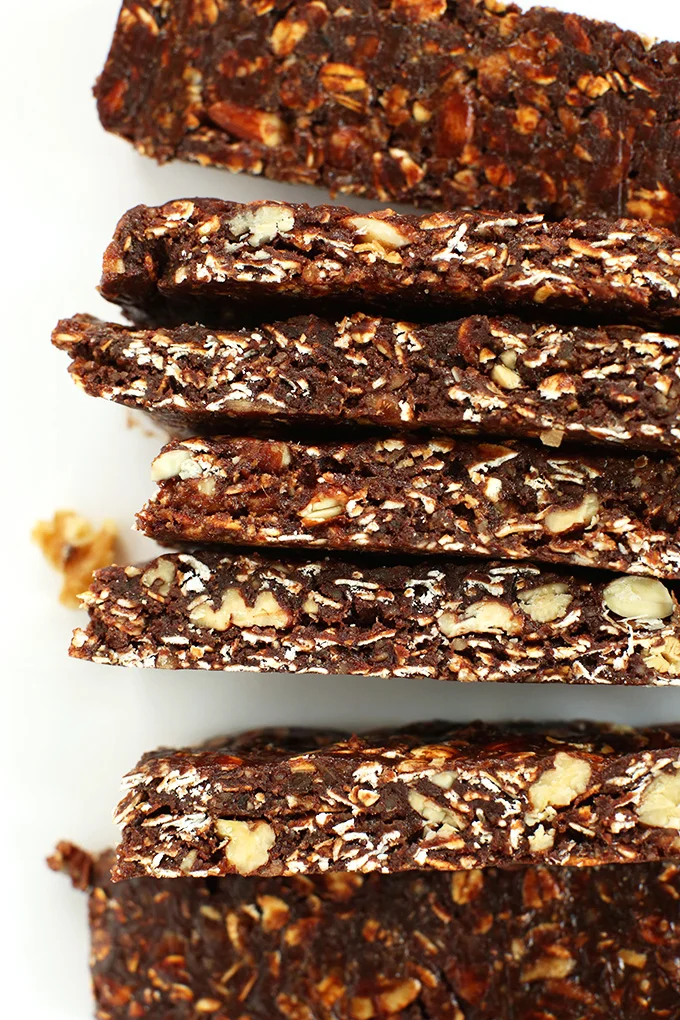
Food Friday: No Bake Granola Bars - 2 Ways

With this summer heat, the last thing you want to do turn on your oven. So what better way to whip up a nourishing and delicious snack than with dates and a freezer! No bake granola bars can be made several ways depending on the flavours you are craving. Here are 2 different options that I really enjoy. I’ll grab one of these out of the freezer in the morning for breakfast if I am running late or pack one in my lunch bag for a satisfying snack in the afternoon, remembering to pop it in the fridge/freezer at work. 

The dates provide a natural sweetness, are a good source of fibre and are blood building. Be sure to use all natural nut butter to avoid added sugars and to get the right taste. These bars have both protein and good fats from the nuts. Use raw cacao powder for the chocolate bars if you can find it. It is a fantastic superfood packed full of nutrients and antioxidants. 

Chocolate Granola Bars

Ingredients:

  • 1.5 cups dates (soaked for a couple hours)
  • 1/2 cup walnuts
  • 1/2 cup almonds
  • 1/2 cup raw cacao powder/dark cocoa powder 
  • 1.5 cups rolled oats
  • 3/4 dark chocolate chips
  • 1/2 cup almond butter
  • 1/4 cup maple syrup

Directions:

Blend dates, walnuts, almonds and cocoa powder in a food processor. In a large bowl mix that with oats, chocolate chips, almond butter and maple syrup. Pour mixture into a 9x9 baking sheet or loaf pan (depending on the size of granola bars you want) lined with parchment paper and press firmly down. Freeze for 1 or more hours until hardened. Lift from parchment paper and cut into bars or squares. Wrap individually in plastic wrap or wax paper and store in the freezer. 

Maple Granola Bars

Ingredients:

  • 1 cup dates (soaked)
  • 3/4 cup almonds
  • 1.5 cups rolled oats
  • 1/3 cup maple syrup
  • 1/2 cup almond butter

Directions:

Blend dates in a food processor. Add almonds and blend again. Lastly oats, maple syrup and almond butter and blend a third time until it forms a ball. Pour mixture into a 9x9 baking sheet or loaf pan (depending on the size of granola bars you want) lined with parchment paper and press firmly down. Freeze for 1 or more hours until hardened. Lift from parchment paper and cut into bars or squares. Wrap individually in plastic wrap or wax paper and store in the freezer. 

Enjoy!

Do you have a favourite granola bar recipe? Let me know in the comments below.

In health & happiness, 

Dr. Karen