Menopause: Is it hot in here, or is it just me?!

Catch yourself saying this often? There is a logical explanation for it...hormones!

Menopause is a normal physiological change women experience at some point in their life. It is not something we should try to prevent but also not something we have to ignore. Several things can help women adapt to these hormonal changes. The typically age of menopause is 51, but it is normal to experience symptoms 5-6 years on either side. Women can also be jolted into menopause at an earlier age due to such things as a bilateral oophorectomy (removal of both ovaries), chemo/radiation or even a very stressful event. Also, all women experience menopause differently, which is why individualized treatment is important to see the greatest improvement.

Common/classic symptoms:

Photo: http://www.life-saving-naturalcures-and-naturalremedies.com/home-remedies-for-hot-flashes.html

Photo: http://www.life-saving-naturalcures-and-naturalremedies.com/home-remedies-for-hot-flashes.html

  • changes in your menstrual cycle
  • hot flashes/night sweats
  • sleep disturbances
  • vaginal dryness
  • low libido

Other symptoms that may be associated with menopause:

  • anxiety/depression
  • memory issues
  • urinary incontinence
  • weight gain
  • skin/hair changes (dry skin; more or less hair)
  • fatigue
  • joint pain
  • headaches
  • dry eyes

What is happening?

A little terminology: Perimenopause is the period immediately before menopause, starting with changes in the menstrual cycle and ending 12 months after the final period. Postmenopause begins after the final period. Menopause encompasses all of this.

During our childbearing years, our bodies secrete estrogen, progesterone and FSH (among other hormones) to regulate our cycle, produce an egg, stimulate ovulation and create a menses every month. As we age, the number of ovarian eggs decrease and these hormones begin to change. FSH levels initially rise during perimenopause, then progesterone levels begin to decline (less produced in your ovaries). This typically initiates a longer, heavier and/or less frequent period. Finally, close to the end of perimenopause, estrogen levels decline, causing those dreaded hot flashes/night sweats and dryness (everywhere!). The variety of different menopausal symptoms occur as these hormones have many effects in our body and there is a strong connection between your sex hormones and stress hormones. 

What can you do to improve your symptoms?

About 75% of menopausal symptoms can be managed with non-hormonal strategies, including diet, herbs and lifestyle changes. 

Diet:

  • Eating a whole foods colourful diet is always a good start to ensure adequate nutrients. 
  • Adding omega 3s, found in fish/fish oil, nuts and seeds will help decrease inflammation causing more severe menopausal symptoms. Several studies have shown a decrease in hot flashes and depression with omega 3s. 
  • Flax seed is a good source of omega 3 but also acts as a pytoestrogen (mimic or blocks estrogen depending on what is needed). In this case, it mimics estrogen to minimize symptoms. One tablespoon ground per day is an adequate dose.
  • Eating adequate good fats is important for hormone synthesis but will also help with lubrication. Think oils, butter/ghee and avocado. 
  • Finally, noticing symptom triggers and avoiding them as much as possible is key. Common hot flash triggers are alcohol, caffeine and spicy food. 

Herbs: Several botanical herbs have been studied around their effectiveness on menopausal symptoms and may be all that is needed.

  • Black cohosh has been shown to decrease several symptoms including hot flashes/night sweats, joint pain and depression and is safe in breast cancer.  
  • More recently Maca has popped up and has been shown to have the most effect on low libido. 
  • Saint John's Wort is very effective in taking "the edge off" if you are feeling anxious or depressed, as well as improving hot flashes.
  •  Considering the connection to the adrenal (stress) gland, Ginseng or Ashwagandha may be the right herb. It acts on the adrenal glands to improve psychological well-being, fatigue and sleep.
  • Finally, Valarian can be taken in combination with any of these herbs for insomnia due to night sweats.

These herbs are just a few herbs I tend towards for my patients. Consult an ND to find the right herbs and doses for you.

If diet and herbs have not made a significant change in your menopausal symptoms, bio-identical hormonal therapies, or conventional medication may be indicated. Bio-identical hormones mimic our natural hormones to elicit the same physiological response. The dose is dependent on the individual. Hormonal therapy and medication can have both benefits and risks. I recommend starting with the most natural strategies and work from there. 

Remember this is a new phase of life, meaning an opportunity to reassess your health status as well as create new life goals for this next phase. I am solely here to help you along the way.

In health & happiness, 

Dr. Karen  

Food Friday: Black Bean, Rice and Yam Wraps

As you may know already I love the cookbook The Whole Life Nutrition Cookbook. It is packed with many nutritious and delicious recipes, most quite simple to make. (They have a new Elimination Cookbook coming out as well, which I am excited for.) When I need a simple, whole foods meal without having to buy too many extra ingredients I look here, usually being drawn to one recipe in particular - the black bean, rice and yam wraps. YUM! I sometimes leave the rice out or just use what I have cooked already. 

What's the fuss about?

Yams - Did you know these are actually different than sweet potato? Don't worry, they are interchangeable, and this recipe is nice with the bright orange colour of sweet potato. They are gluten free, and lower glycemic index/load than white potato. They are a great source of beta-carotene as well, a powerful antioxidant. 

Black beans - These are always in my pantry for times like this. Black beans are a great source of both protein and fibre. 1 cup of black beans provides nearly 15 grams of fibre and 15 grams of protein. Plenty for one meal for the average Canadian. Worried about gas? Recent research has shown that black beans are better digested than lentils and chickpeas and are actually helping to heal your gut. Disgust with your ND if you are still having trouble with black beans. 

Ingredients:

  • 1  1/2 cups short grain brown rice
  • 1/2 cup sweet brown rice
  • 4 cups water
  • pinch of salt
  • 1 large yam, cut into large chunks
  • 3 cups cooked black beans, or 2 cans
  • 1 large avocado, mashed
  • salsa
  • mixed greens
  • brown rice tortillas

Recipe:

  1. Preheat the oven to 425 degrees F.
  2. To cook the rice, place the short grain rice, sweet rice, water, and sea salt into a 2-quart pot cover, and bring to a boil. Reduce heat and simmer for about 45 minutes. Remove pot from heat and let stand for a least 10-15 minutes.
  3. While the rice is cooking, place the yam chunks into a small casserole dish, fill with about 1/2-in of water, and cover. Bake in the oven for about 40-45 minutes, or until yams are very tender. Remove skins from yams and slightly mash them with a fork. (I typically peel the yam before I cook it.)
  4. To assemble a wrap, lay a tortilla flat onto a plate and place a small amount of rice in the middle of it, add some cooked black beans, some mashed yam, mashed avocado, salsa and some mixed greens. Fold up and enjoy! 

*Variation* - If I feel like a bit of spice, I will saute a small onion, diced, then add 2 tsp cumin, 1/2 tsp chili powder, salt and the beans. I continue turning and smashing some until the desired consistency is reached. I then use these beans in the wraps. Delish!

In health & happiness,

Dr. Karen 

(Photo courtesy of Pinterest)

From Around the Web

1. Pegan....Not vegan, not paleo, but a little in between. This is how I eat! 

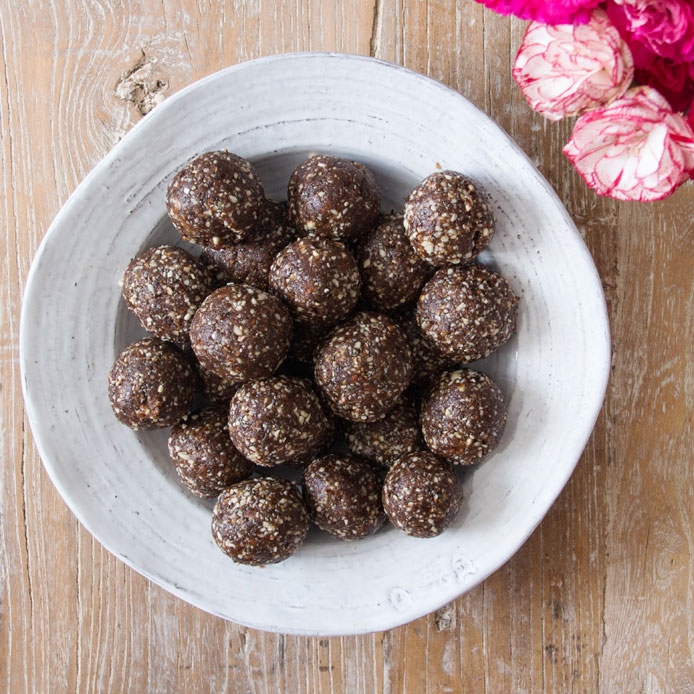
2. Energy bites. To help fight off that four o'clock slump :)

3. The Pros and Cons of Juicing, and all about Coffee, according to Chris Kresser. 

4. Winter minestrone soup, because even though it says its Spring, it doesn't feel like it yet! 

5. Meditation for success...What I am up to for 21 days.

6. No time to go to the studio today? Practice yoga at your desk. 

7. For women - understand your body and cycle. 

In health & happiness,

Dr. Karen
Adrenal Fatigue: Why getting out of bed may be so hard...

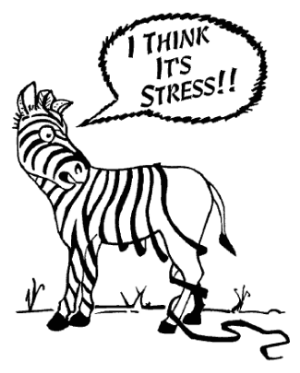
Stress-Zebra.gif

During the darker months, we are meant to rest more, but that rarely happens. You may have long hours at work, wee ones running around or even a new puppy keeping you up (like a few people I know!). All of these run you down and you may feel like you cannot climb out of the hole. Fear not my fellow zombies, there is a reason behind your fatigue and ways to fix it.

What is Adrenal Fatigue?

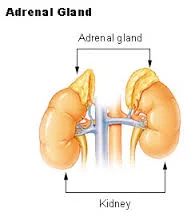
adrenal gland.jpeg

A simple explanation is that you body can't produce enough cortisol, your stress hormone, to keep up with your daily stressors. Therefore, adrenal fatigue is caused by too much stress! There are two portions to your nervous system, the sympathetic, or "fight and flight" response, and the parasympathetic, or "rest and digest" response. Our bodies prefer to be in "rest and digest" the majority of the time, and only "fight and flight" when needed, such as running away from something or pumping you up for a presentation. These days, people are experiencing the opposite! We have too many stressors and we are not giving ourselves the proper time to relax. Your adrenal glands, which sit on top of your kidneys, then have to work on overdrive to produce enough stress hormone to cope...which then runs out! 

Signs of Adrenal Fatigue:

There are several common signs that your stress glands has been working overtime. 

  • I get dizzy when standing up rapidly.
  • I have chronic fatigue, and rely on stimulants. 
  • I am groggy in the morning, and have trouble getting out of bed. 
  • I have trouble getting to sleep.
  • My muscles feel weak.
  • My allergies are getting worse, and I have multiple sensitivities.
  • My skin is more reactive lately.
  • I frequently feel colder than others.
  • The term "hangry" rings true for me. 
  • I crave sweets.
  • I have been suffering from depression or low mood. 
  • I am frequently sick. 
  • My sex drive is low.
  • I have experienced a lot of stress in the past.

Cortisol, your stress hormone, has a natural curve throughout the day, helping you get out of bed in the morning and get to sleep at night. With too much stress this curve may either be flipped, making you feel "wired and tired," or disappear, which is adrenal burnout. A salivary test, done by an ND, is one way to see where your cortisol peaks and dips, giving us a better idea on how to treat. 

Cortisol-Rhythm.jpg

What can you do?

Usually we cannot take away stress, but we can find ways to better handle it. Some people are more stress resistant than others. This may be due to a number of things such as how much control they have in a situation, their social network, their attitude, their self-care exercises, and/or how much humour or fun they have in their life. These are things we can start to incorporate into our lives to better cope with stress. 

  • Mindfulness - Whether this includes daily meditation, yoga, or simply 5 deep breaths a few times a day, mindfulness and relaxation helps to turn our bodies towards "rest and digest." Our stress gland is given time to heal and restore. We tend to hold our breath on the inhale when frightening or shocked, therefore focus on the exhale while deep breathing to turn on your parasympathetic nervous system. 
  • Exercise - Exercise helps to release feel good hormones, putting you in a better state of mind and prepared to tackle what comes at you. However, ensure you aren't burning the candle at both ends by pushing yourself too much.
  • Sleep hygiene - Our bodies love rhythm and routine (remember that cortisol daily rhythm!), so it is important to have a sleep rountine. We need a minimum of 7-8 uninterrupted hours of sleep/night to restore and repair our bodies, while decreasing inflammation and cortisol levels. 
  • Diet - Keeping your blood sugar steady will avoid an unnecessary stressor on your body. Therefore, not skipping meals or eating a handful of candy, but eating a protein rich breakfast instead. Focusing on a nutrient dense, colourful diet is important to ensure you are feeding your body. For example, vitamin C, B vitamins and magnesium are food for your adrenal glands. (Getting these nutrients in high doses via IV may be an option with your ND.)
  • Adaptogens - These are herbs that nourish, heel and replenish your adrenal glands. Some of my favourites are Ashwagandha, Holy Basil, and Rhodiola. They may be needed for an extra boost. A Naturopath can help you find the best ones for you. 

Pushing yourself to be perfect - eat a clean diet, meditate, do yoga, sleep 10 hours/night everyday - is also not the solution. Balance is the key word. Enjoying what life brings to you, taking it as it comes and eating a small brownie, might be just what you need to decrease your stress hormone at the time. So go to that yoga class, eat a salad for lunch but don't put too much pressure on yourself and a stress-free life will follow. 

Need support to help you feel yourself again? Reach out to book your free 15 minute complimentary consult. It might just be the step you need. 

Are you suffering from anxiety or digestive issues due to your adrenal fatigue? These posts might be of interest to you. 6 Ways to Conquer your Mind; 3 Ways to Improve Digestion. 

In health & happiness, 

Dr. Karen