
Food Friday: Gluten-free Buckwheat Pancakes

Mmm...I love a good pancake!

BUCKWheat pancakes with cinnamon, blueberries and pure maple syrup.

BUCKWheat pancakes with cinnamon, blueberries and pure maple syrup.

In my practice, I see many people benefiting from eating gluten-free. (We have already discussed what gluten is in my blog here.) Whether you are celiac or not, many conditions improve with a gluten-free diet, such as autoimmune conditions, digestive concerns and skin issues, not to mention mood. 

However, going gluten-free can be quite daunting, especially if we are used to eating a certain way. We have our favourite foods that are hard to give up as well as certain go-to foods, which seem like a necessity on cabin weekends away, such as pancakes! Luckily, there are a variety of different flours that do not contain gluten. Grains such as these are better periodically, and not every day, every meal. I typically cook with coconut flour, almond flour or buckwheat flour (which I usually grind myself from raw buckwheat grouts or almonds). You can find all these flours at places such as bulk-barn for a good price. 

This recipe is from the Whole Life Nutrition Cookbook. One of my go-to's! Buckwheat is slightly denser than white or whole wheat flour so expect that in the pancake. For that reason, it also tends to keep you fuller for longer. Buckwheat is actually a fruit seed, related to rhubard.  The phytonutrients in buckwheat (flavonoids to be specific) have been shown to improve blood lipid levels. It can lower the bad cholesterol (LDL), and raise the good cholesterol (HDL). Yippee! Finally, it is a good source of fiber and magnesium, therefore good for both blood pressure and your bowels. 

Ingredients:

  • 1 heaping cup buckwheat flour
  • 1/4 cup tapioca flour
  • 1 tsp baking powder
  • 1/2 tsp baking soda
  • 1/4 tsp sea salt
  • 1 to 1 1/2 cups hemp, almond, soy, or rice milk
  • 1 egg (*To replace egg, mix 1 tbsp ground flax seed with 3 tbsp hot water and let sit for a few minutes)
  • 2 tbsp melted coconut oil or butter
  • 2 tbsp maple syrup

coconut oil or butter for cooking

Recipe:

  1. In a medium bowl mix together the dry ingredients. In a separate bowl whisk together the wet ingredients. Add the wet to the dry and gently mix until ingredients are combined. Let the batter sit for a few minutes to thicken up.
  2. Heat a thick-bottomed stainless steel skillet over medium heat. Add a few tsp of coconut oil or butter. When skillet has heated, add about 1/4 - 1/2 cup of batter. Cook for about 1 to 2 minutes or until top begins to bubble, flip and cook for a minute or so more on the other side. Repeat this process until all of the batter has been used. Add a little coconut oil or butter in between cooking each pancake to prevent sticking. 
  3. Place pancakes onto a warm plate and serve. 

Enjoy!

In health & happiness,

Dr. Karen
From Around the Web

1. A podcast all about biomechanics of the body; how to use it to decrease pain, improve strength and live life to the fullest. 

2. A cilantro lime dressing that I'd like to try soon. Perhaps with fish tacos or bean chili?

3. A new food blog by my colleague and great friend, located in Windsor, NS. Dr. Adrienne Wood is vegetarian and always has something delicious up her sleeve, that she will now share with us!

4. Confused about what supplements are best for you as a women? Here is a Q&A with Aviva Romm, MD about what she suggests.  

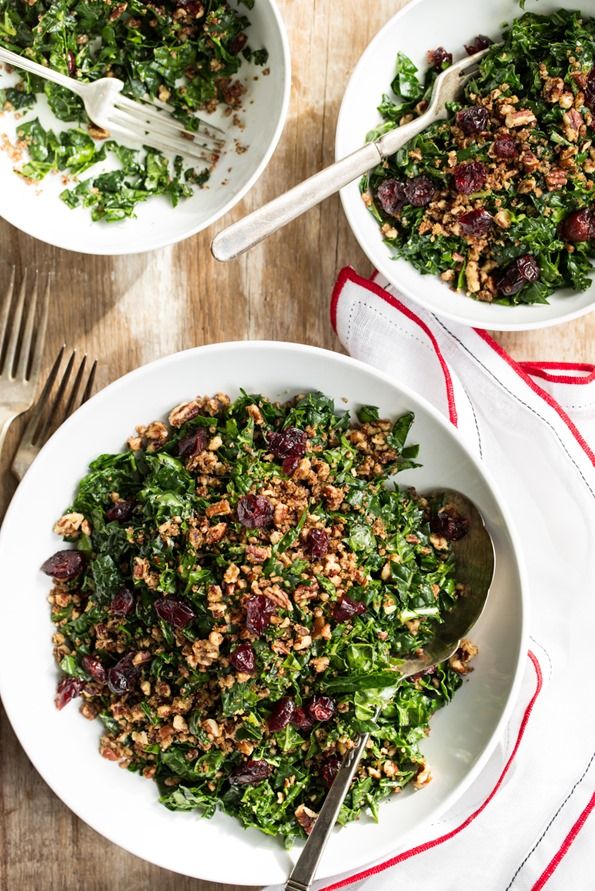
5. A kale salad that has been saved in my phone browser for a few weeks now that looks delicious.

6. Defeating depression with yoga. 

7. Gut feeling: A little insight on the gut-brain connection and how it affects mood. 

8. And finally a great yoga class I did this week at home! 

In health & happiness,

Dr. Karen

(Photo cred: ohsheglows.com; amazon.ca; mindbodygreen.com)

5 Ways to Beat the Blues

winter .jpg

We have now settled back into a routine after the excitement of the holidays and trying to stay happy, healthy and warm. It is easy however, to get pulled under by the lack of sun and shorter days. It is no wonder why "Blue Monday" exists in January, supposedly the 3rd Monday of the new year. 

Let's boycott Blue Mondays this winter by focusing on these five ways to beat the blues. These are simple things you can incorporate into your life to keep that smile on your face. An important point is that there could be a easy explanation as to why you are feeling a little down and ruling these out first is key. There are a few common reasons, I see in my practice, for why people get the blues. They are adrenal fatigue, hormone imbalances, hypothyroidism and food allergies/sensitivities. Simple blood work, a health history and/or elimination diet can help decipher if your mood is affected by one of these issues. 

But what can you do? 

1. Eating a colourful diet with good protein - Processed, high sugar foods will weigh us down and cause inflammation. This is also true for food allergies/sensitivities. Increased inflammation in the body will lead to increased cortisol levels and in turn, decreased serotonin production. Serotonin is an important "feel good" neurotransmitter, along with dopamine. Good quality protein, such as grass fed beef, chicken, eggs, or beans and nuts, provide necessary amino acids to build those "happy" hormones and neurotransmitters. Greens, such as spinach, kale and parsley, aid in detox, making you feel a little lighter! Try a green smoothie, or bean chili to increase your nutrient intake. 

2. Sweating - On these snowy days we tend to sink into the couch. Exercise, even moderate amounts, have been proven to increase endorphins and serotonin production, ultimately improving your mood. Start by walking 30 minutes at lunch if you are just getting back into it, or increase the intensity with HIIT workouts or at home exercises. 

3. The sunshine vitamin - One of the first vitamins I think about when it comes to mood is vitamin D. It plays an important role in many things, including bone, skin and immune health, but it also contributes to improving mood. There are several studies that show an association with low vitamin D status and mood disorders, including seasonal affective disorder (SAD). Many of us are deficient in vitamin D. 30 minutes of full-exposure to sunlight, without sunscreen, can provide between 10,000 to 20,000IU of vitamin D. In the winter, or if we work in an office all year, that is difficult to get therefore we need to supplement. I suggest 2000-5000IU/day for mood disorders, however it is recommended to have your vitamin D levels checked to avoid toxicity. 

4. B vitamins - The B vitamins are also important to regulate mood. These vitamins are necessary for every energy reaction in your body, including the production of hormones and neurotransmitters mentioned above. Women on oral contraception become deficient in B6 (pyridoxine), therefore it is even more important to supplement in these women. I recommend a multi-B vitamins, with higher amounts of certain Bs depending on the person. 

5. Decrease stress - I've mentioned that increased cortisol can lead to decreased serotonin production, our "feel good" neurotransmitter. When stressed, it is harder to find the joy in things around us, therefore harder to dig ourselves out of the hole. Adequate sleep, yoga, meditation, writing to-do lists, and a good social network are all great stress busters. I have proven all of these! Enjoying the odd snow day off with homemade cookies and a movie can go a long way to improving our mood. 

As you can see, Naturopathic medicine has many tools up its sleeve to help beat the blues. There are other nutrients and botanicals that I would consider, depending on the person and if they are on medication or not. If you feel like your mood is dipping, please consider these options or book an appointment with me or your local ND. We are happy to help! 

In health and happiness, 

Dr. Karen 


(Photo cred: www.pivotcon.com)

"Better You" CTV Segment

Happy New Year my fellow health nuts! 

Later in 2014 I was featured on CTV Morning Live to discuss simple things you can do in the morning to improve energy, ease stress and improve digestion. For many of us, our new years resolutions included at least one of these. The simple morning steps I highlight are easy to incorporate and will set you off on the right path in 2015! For those who missed it, here it is.

Watch the video 

In health & happiness, 

Dr. Karen