Tips and Tricks to Fight Cold and Flu Season

It's that time of year again when we start to worry about getting sick with the coming colder months. There are viruses and infections we hear about on the news and the common cold is starting to get passed around again. Yuck! 

Fear not my friends! There are several things you can do to help boost your immune system and avoid those nasty germs. Here are a few:

Immune Boosting Tips

  • First and foremost, wash your hands often with soap and water. 
  • Eat your greens - Focusing on a healthy diet with good quality protein and colourful fruits and veggies provides an abundance of helpful nutrients to fight any infection and support your body's immune system. Try to focus on soups and warm foods and nothing cold and damp, such a dairy, as these can increase phlegm. 
  • Anti-sugar - A high sugar diet will spike the body's stress hormone, cortisol, and ultimately block your body's natural immune defenses. 
  • Ginger tea - An easy root to have on hand to sooth your stomach, ease muscle tension, while fighting the infection. Simply use fresh ginger slices and steep in hot water. 
  • Probiotics - About 70% of your immune system is in your gut, called GALT - gut-associated lymphoid tissue. Therefore, improving your digestion will indirectly improve your immune system. Probiotics provides the "good" bacteria that can be out of balance in our digestion systems.
  • Vitamin C - This vitamin can be found in many foods such as oranges, kiwi, and even in your slice of lemon in the morning. High doses at the onset of a cold is ideal to kick out those nasty bugs. 
  • Vitamin D - Not only does this vitamin improve your mood in the dreary winter, it helps stimulate your immune system as well. Around 3000 IU is a safe but effective dose. 
  • Andrographis - An herb that works both as a preventative and treatment. It can be found on its own or in an immune combination at your local health food store. One of my favourite supplements is Can-Prev's Cold-Pro, which includes Andrographis, as well as Reishi mushroom and Astragalus, both immune tonics. 
  • Individualized teas - I love making teas in my practice since you can make them specific for the individuals symptoms. Catnip or Bonset are two herbs I would think to include for flu symptoms such as fever and achy bones.  

Immune Boosting Shot

Another helpful option is an all-natural immune injection that I do at my clinic. It is a combination of two homeopathic formulas, which are gentle and safe for everyone, with no added fillers or preservatives. The formula includes herbs such as Echinacea to boost your immune system and other herbs to move lymph and pathogens out. It can be done in conjunction with the flu shot or in replace of. It is suggested once or twice a year if you are healthy, or once a month for those with weak immune systems, who tend to get sick often. Finally, it can be done as soon as the first signs and symptoms of flu appear. 

For specific dosing and other immune boosting options, see your local Naturopath.

In health & happiness,

Dr. Karen
 

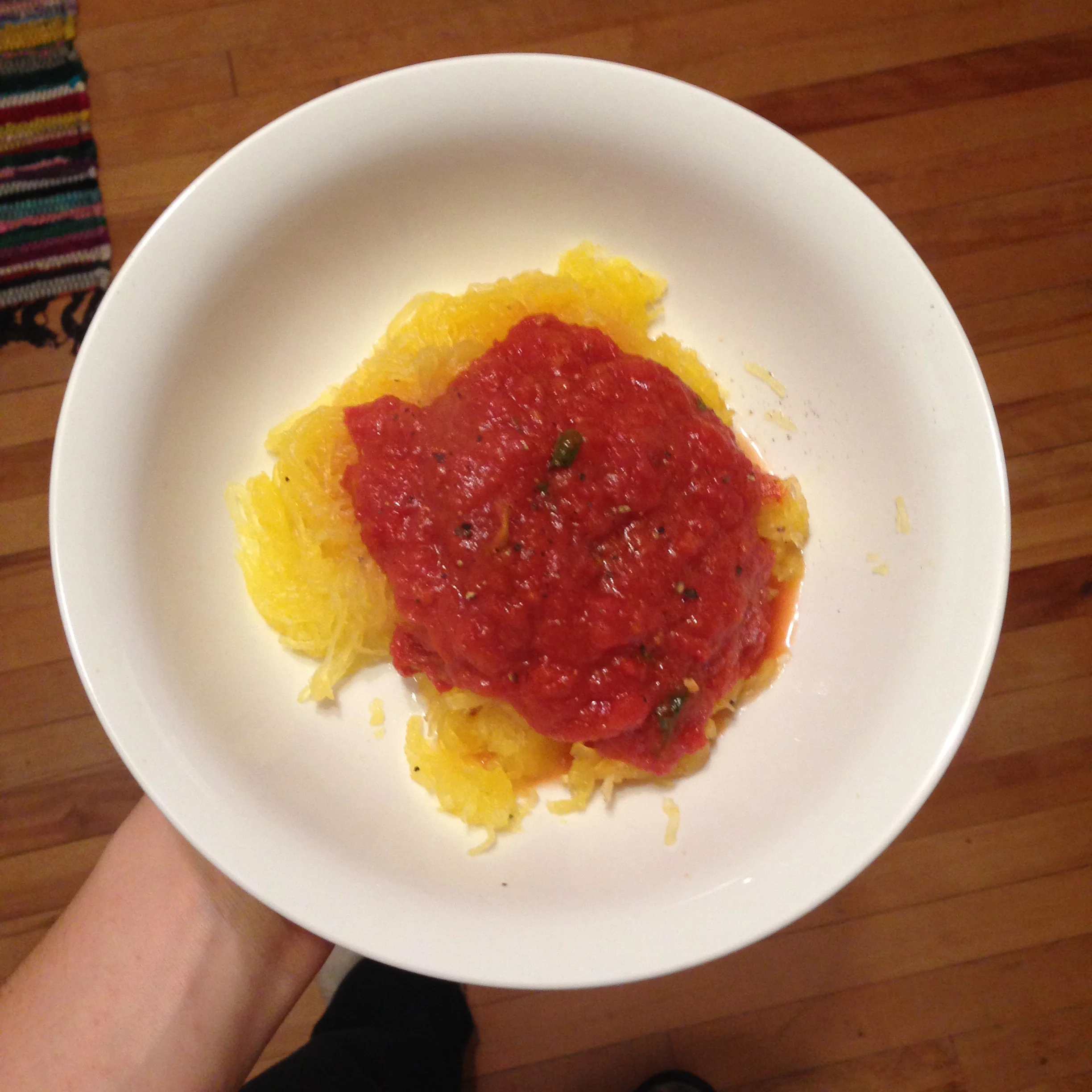
Food Friday: Spaghetti squash and marinara sauce

Happy Halloween! Any tiny monsters coming to your door tonight? 

Halloween also means it is squash season and if you are looking for new ways to get the nutritious fall vegetable in your diet look no further! There are an abundance of squash varieties and many ways to cook them. Roasted, mashed, diced, in soups, stews etc. I am partial to acorn, spaghetti and the hard to find delicata squash. 

Here's a little something about spaghetti squash. This vegetable is a great source of the antioxidants, vitamin A and C, and also B vitamins. It is easy to make, and acts just like spaghetti if cooked properly, hence the name! This squash has been daunting to me in the past and after one failed attempt (in the wrong season), I wrote it off until now. If you lean toward pastas for dinner, this is a great alternative and a good way to add more veggies to your diet and eat less carbs. The key is to make it when it is in season. This will ensure it cooks well and tastes great. 

As for sauce, I tend to make everything homemade lately, since it almost always turns out better, especially spaghetti sauce. Marinara sauce is quick and easy to make and can be used in many dishes, even on top of chicken or eggs. I still need a recipe to ensure a delicious dish so this one is from Buddy Valastro (a little TLC for you!) and Rachael Ray. Note: Skip this dish if you suffer from inflammatory arthritis, such as rheumatoid arthritis. Tomatoes are part of the nightshade family, vegetables that can worsen the joint inflammation. 

Top it off with homemade meatballs or veggie balls to create a festive dish for this Hallows-Eve!

Spaghetti Squash and Homemade Marinara Sauce

www.steamykitchen.com

www.steamykitchen.com

Ingredients:

1 medium sized spaghetti squash

2 tbsp extra virgin olive oil

1 14 1/2 oz can diced tomatoes

1 28 oz can crushed tomatoes

1 large garlic clove

1/2 tsp sea salt

1 sprig fresh basil plus 1/4 cup loosely packed fresh basil, torn into small pieces

Directions:

  • Pre-heat oven to 400 degrees. Halve the squash and place cut side down on a baking sheet. Roast for 1 hour, or until tender. You don't want to cook it too long that it is on the mushy side.

  • While the squash is roasting, heat a large, heavy pot over medium-high heat. Add the oil and heat until shimmering, almost smoking.

  • Add the garlic and cook, stirring, until golden and fragrant, about 30 seconds. 

  • Stir in the tomatoes, salt and basil sprig.

  • Keep cooking and stirring until the sauce comes to a boil then lower the heat and simmer, stirring occasionally, until the sauce is thickened and richly flavoured, around 15-20 minutes.

  • Adjust the seasoning with more salt, if necessary, and stir in the basil leaves.

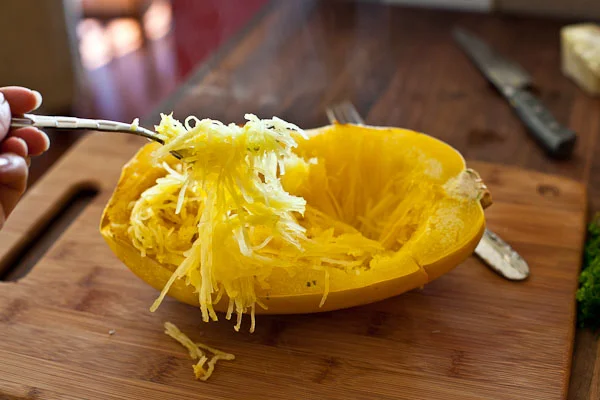
  • Once cooked, remove the squash from the oven, turn cut side up and shred the squash into spaghetti-like strands with a fork; season with salt and pepper.

  • Top with marinara sauce and voila! An easy weekday meal!

In health and happiness,

Dr. Karen

From Around the Web

A few things of interest from around the web this past month:

TEDx Talk about the value of SLEEP! Do you get enough?

A little insight into the FODMAP diet that is becoming more well-known for treating IBS. (Please see your local ND to discuss whether this diet is right for you.)

Joe Rogan podcast with Dr. Rhonda Patrick, about your brain chemistry. Not actually from this month but still interesting.

Photo cred: Simple-Balance.ca

Photo cred: Simple-Balance.ca

For the foodies - Fall Butternut Squash Soup, and delicious Fried Apple Rings (I'd modify the recipe with almond or other gluten-free flour and only for a treat!). Or a guide to fall season and spice pairings. 

The new fitness trend - Trampoline Aerobics! Joint-friendly cardio workout for all ages. Would you try it?

Signs that your body is experiencing too much stress, courtesy of the well-respected Dr. Aviva Romm. 

What interesting things have you come across lately?

In health & happiness, 

Dr. Karen

Bloating be Gone: Part 2 - The Mighty Gallbladder

The summer months are over, and fall is in the air this week! Fall is my favourite time of year, mostly due to the changing colours, cozy sweaters and fresh cool air. However, we still have many weeks (hopefully) of warmer temperatures to enjoy.

You may have noticed after your summer celebrations and indulgences, that your digestion just wasn't quite right. Were you feeling a little uncomfortable the next morning or knew you had to be careful with your food choices? This ties in nicely with the theme of digestive health and bloating that I started to discuss at the beginning of the summer. I addressed the issue of low stomach acid as a cause of heartburn and bloating, but let's continue our journey down the digestive tract. Another organ of importance is the gallbladder, a sometimes forgotten organ.

The Mighty Gallbladder:

gallbladder.jpg

The gallbladder is an organ I see many issues with in my practice. Many people have issues with digestion if the gallbladder is not working properly, or even after it has been removed! It sits just underneath the liver, under the lower rib cage on the right. The function of the mighty gallbladder is to concentrate bile that the liver produces and release the proper amount during digestion. More is needed with more fatty meals. Bile helps to emulsify fats, stimulate digestive enzymes, lubricate our bowels and eliminate toxins. 

You may be familiar with gallstones as the major concern of this organ. Some risk factors for gallstones are oral birth control pills, low stomach acid, parasites and eating disorders. The gallbladder becomes more stagnant with some of these, but issues can arise even before gallstones are formed. Stress can cause stagnation in this organ as well.

If there is stagnation in the gallbladder its proper function will be impeded, and symptoms such as bloating, loose stools or constipation, morning congestion, abdominal pain, palpitations and even plantar fasciitis may occur, among others! I see a variety of symptoms relating to the gallbladder, depending on the patient. 

As I mentioned, some of these issues may even arise once you have had your gallbladder removed! How you ask? The organ is there for a reason and if your body is not able to concentrate bile and release the digestive juice when necessary, problems may ensue. It isn't always as simple as just removing it... 

Simple Naturopathic treatments can be done to heal this organ and its related symptoms. For example, eating smaller and more frequently meals, drinking an herbal tea blend or acupuncture to decrease stagnation. Consider seeing a Naturopathic Doctor if you have any questions or digestive concerns that may be related to this sometimes forgotten organ. 

In health & happiness,

Dr. Karen