
What you need to know about prevention, risks, and treatment
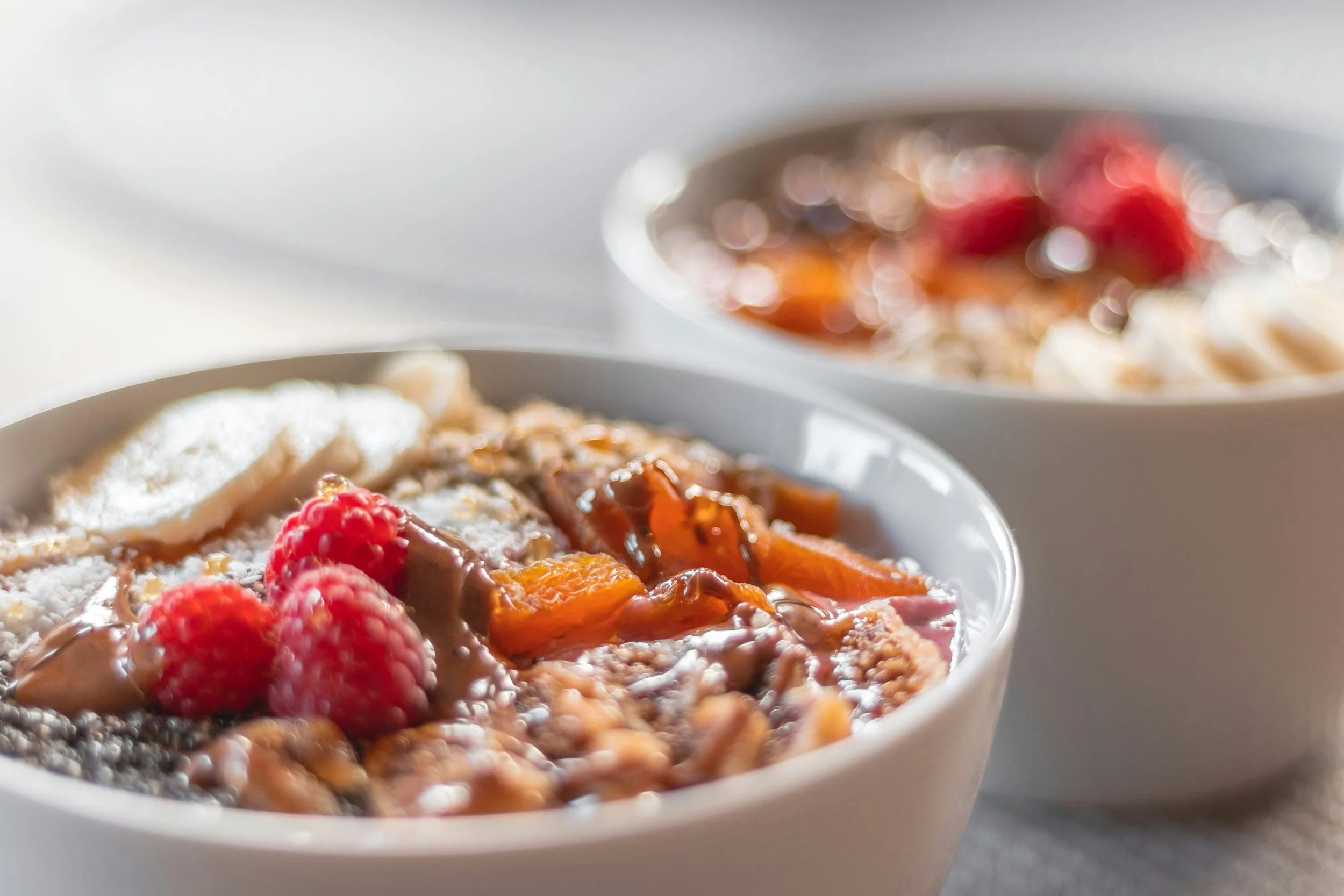
A diet containing fibre diet is important for prevention
If you’ve ever been told you have “diverticula” or experienced a sudden bout of unexplained abdominal pain, you may have come across the terms diverticulosis and diverticulitis. While they sound similar, they are actually quite different—and understanding that difference is key to both prevention and treatment.
Diverticulosis vs. Diverticulitis: What’s the Difference?
Diverticulosis refers to the presence of small pouches (called diverticula) that form in the wall of the colon. These pouches are quite common, especially as we age, and many people have them without ever knowing.
Diverticulitis, on the other hand, occurs when one or more of those pouches become inflamed or infected. This is when symptoms appear—and when medical attention is often needed.
A helpful way to remember:
• “-osis” = presence of pouches (often silent)
• “-itis” = inflammation (symptomatic and sometimes serious)
How Common Is It?
Diverticular disease becomes more common with age and is uncommon under age 40, though it can still occur. In fact, diverticulitis is now considered the third most common gastrointestinal diagnosis requiring hospital admission—highlighting how significant it can become when it flares.
Why You Might Not Know You Have It
Most people with diverticulosis feel completely fine. The pouches themselves don’t usually cause symptoms, which means many cases are only discovered incidentally—often during testing for something else.
It’s usually only when inflammation develops (diverticulitis) that people notice:
• Lower abdominal pain (often left-sided)
• Fever
• Bloating
• Changes in bowel habits (constipation or diarrhea)
What Causes It? (And Risk Factors)
There’s no single cause, but several factors increase risk:
• Low fibre intake (leading to increased pressure in the colon and constipation)
• Poor colonic motility, or bowel tone (often due to Chronic constipation)
• Sedentary lifestyle
• Aging
• Obesity
• Smoking
• Low vitamin D levels (emerging research suggests a link)
Genetics (something we can’t change)
These factors can contribute to increased pressure in the colon, making pouch formation more likely—and potentially increasing the risk of inflammation later on.
How Is It Diagnosed?
Diverticulosis
• Often found during a colonoscopy, typically when screening for other concerns (like colorectal cancer)
Diverticulitis
• Best diagnosed with a CT scan, which is the preferred imaging method during an acute flare
• Colonoscopy is not done during an active flare due to risk of complications
Prevention: What You Can Do
The good news? Many cases of diverticulitis are preventable.
Focus on:
1. Fibre Intake
Aim for a gradual increase in fibre from whole foods:
• Vegetables
• Fruit
• Legumes
• Whole grains
• Seeds (yes—modern evidence shows seeds are safe)
psyllium husk
2. Regular Bowel Movements
Avoid straining and constipation:
• Stay hydrated
• Consider magnesium or fibre supplements if needed
3. Exercise
Regular movement helps support healthy bowel function and reduces pressure in the colon.
4. Vitamin D
Low levels have been associated with increased risk of diverticulitis. Consider testing and supplementing if needed.
What Happens During a Flare?
If diverticulitis develops, symptoms can range from mild to severe.
Conventional Treatment May Include:
• Antibiotics (only in some cases)
• Temporary dietary changes (low fibre during acute phase)
• Pain management - Naturopathic care can help sooth here and decrease inflammation
• Hospitalization in more severe cases
Supportive/Naturopathic Approach:
During recovery (not the acute phase), focus on:
• Gradually reintroducing fibre
• Gut healing support (e.g., probiotics, anti-inflammatory nutrition)
• Addressing underlying constipation or digestive patterns - TREAT THE CAUSE! Is it poor motility, SIBO, dysbiosis…
When to Seek Medical Care
Seek prompt care if you experience:
• Persistent or severe abdominal pain
• Fever
• Vomiting
• Inability to pass stool or gas
These may indicate a more serious flare requiring immediate attention.
⸻
Final Thoughts
Diverticulosis is common and often harmless—but diverticulitis is a different story. The key is prevention: supporting healthy digestion, reducing inflammation, and maintaining regular bowel habits.
If you’ve been diagnosed—or want to reduce your risk—taking a proactive approach can make a significant difference.
Dr. Karen