Food Friday: Gut Healing Gummies

No fancy molds for me :)

No fancy molds for me :)

This past week I spoke to a small group of Holistic Nutritionists in Halifax all about liver health and the key aspects of detoxification (Side note - Join me for my Annual Spring Cleanse at the end of April online!). At the beginning of the talk Lisa mentioned what the top 5 health trends are predicted to be in 2017 and gummies were on the list! No, not the sugary gummy bears or jujubes unfortunately. I am assuming they mean gut healing gummies you can easily make yourself and that I have been making for awhile now. This recipe is adapted from a great website autoimmunewellness.com. 

If you've had your ears open to talk about gut health lately you no doubt have heard about the importance of bone broth. It is filled with important nutrients to heal your gut lining and decrease inflammation such as minerals like calcium, magnesium, as well as gelatin and collagen. Taking a note from our ancestors, you boil the bones from good quality meat you've eaten for a prolonged period, up to 24 hours even, and use that as broth for soups, quinoa, rice etc or to drink on its own. I recommend using a slow cooker or pressure cooker to speed the process up and cut down on the bone broth smell in your house. Honestly, I don't make bone broth enough myself due to the size of my kitchen so these gummies come in handy! For more on how to make bone broth check out this post. 

These gummies use grass-fed gelatin. Gelatin contains two amino acids that are typically lacking in our diets, glycine and proline. Glycine in particular is important for healthy skin, nails, hair, as well as connective tissue. A good source of grass-fed gelatin is from Great Lakes which you can order online. 

Tips: You can use any kind of frozen fruit you want and adjust the quantity of lemon to make it a little less sour for your kiddies or you. Store in the fridge for up to a week.  

Ingredients:

  • ¾ cup lemon juice (or a mixture of lemon and water for a less sour taste)
  • 1 cup frozen mixed berries (or just strawberries or raspberries)
  • 3 tablespoons honey
  • ¼ cup grass-fed gelatin 

Directions:

  1. Place lemon juice and frozen berries in a blender and blend on high until completely mixed. Pour into a saucepan.
  2. Add the honey and gelatin and whisk together. You will have a thick paste. Turn the heat on low, and continue to whisk the mixture for 5-10 minutes, until it becomes thin and everything is mixed. Take off the heat.
  3. Pour into small baking dish (or fun silicone holds!). Set in the refrigerator for at least 1 hour to firm up.
  4. Remove from the fridge and cut into bite-size squares. Otherwise, remove gummies from their molds and enjoy!

Please don't eat too many at first as they could be a little difficult for your belly to get use to! Do you have a favourite gummy recipe? If so, I'd love to hear about it.

In health & happiness, 

Dr. Karen

p.s Want more support for your body using food? Join me for my Annual Spring Cleanse coming up April 26th-May 6th! 
Food Friday: Singapore Noodles

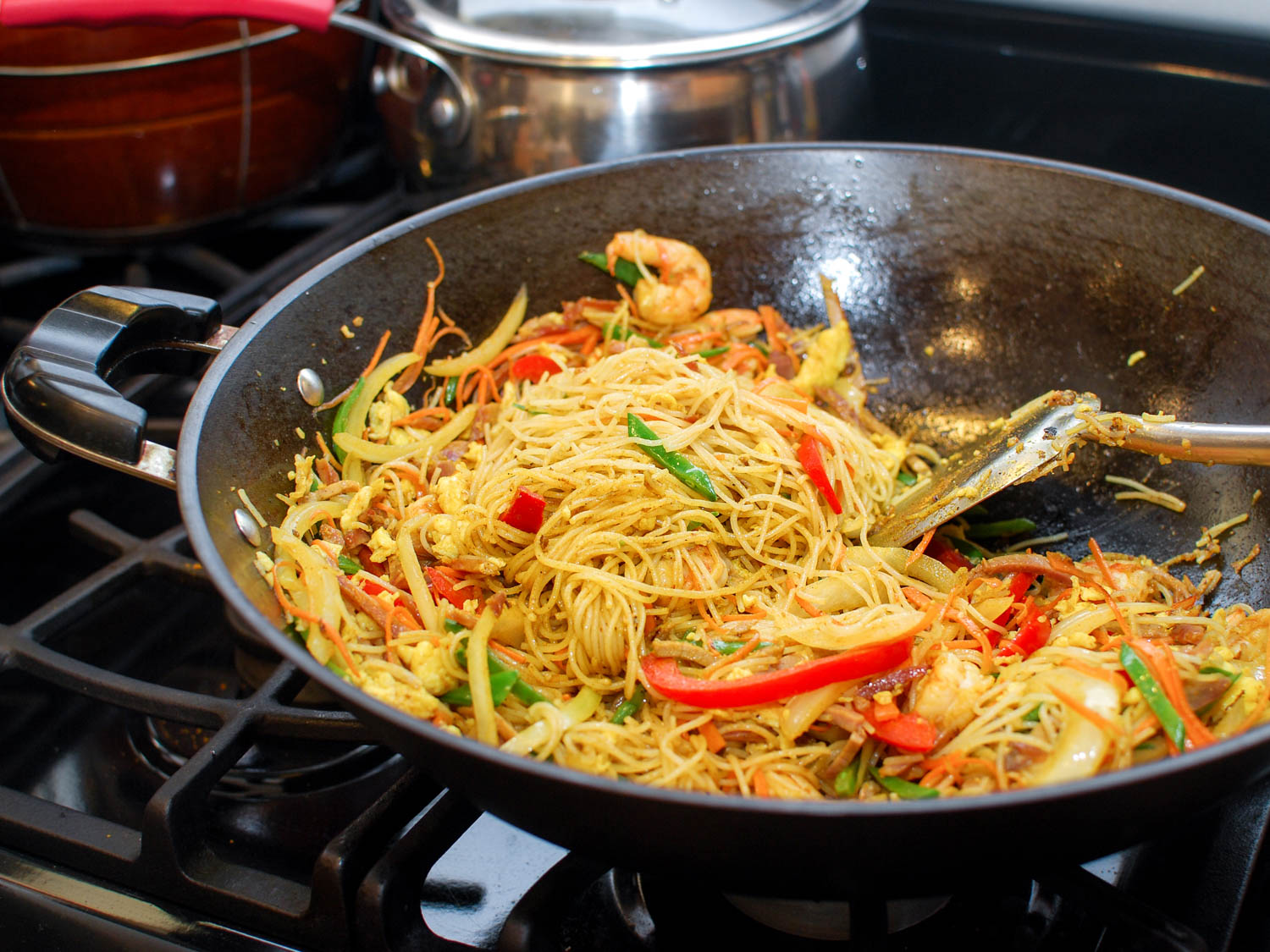
This past weekend I was craving a noodle dish but wanted something other than my usual spaghetti and with a handful of veggies and colour. Since I am gluten free, vermicelli noodles are the perfect option for a carb heavy dish but with less calories. This dish is very simple to make and takes no more than 20 minutes to cook. It serves about 4. I’ve added a little turmeric to the original recipe for its additional colour and anti-inflammatory benefits, as well as a few more veggies. Local source, Getaway Farms or any farmers markets is a great place to find your chicken in the HRM. For those vegetarians out there, I’d probably suggest substituting with tofu for a little protein. One warning - if you have never cooked vermicelli noodles before, you may be finding noodles on your floor a week from now as they tend to fly everywhere when you break them apart! 

Ingredients:

  • 1/2 of 250g package rice vermicelli 
  • 1/2 of 424g package frozen uncooked peeled large shrimp
  • 1 skinless, boneless chicken breast
  • 2 green onions
  • 1 carrot
  • 1/2 red pepper
  • 1/4 yellow onion 
  • 2 tbsp freshly squeezed lime juice
  • 1 tbsp Braggs or tamari
  • 2 tbsp vegetable oil
  • 1 garlic clove, minced
  • 1 tsp finely grated fresh ginger
  • 2 tsp curry powder
  • 1/2 turmeric 
  • 1/2 tsp salt 
  • handful bean shouts (optional)
  • 1/2 cup chopped fresh cilantro (optional of course)
  • hot sauce (optional)

Directions:

  1. Separate noodles as best you can, then soak in very hot water for 5-10 minutes (or according to package directions). If noodles soften before you need them drain and toss with a little vegetable oil to help prevent sticking. 
  2. Meanwhile, rinse shrimp under cold running water to remove any ice crystals. Pat dry with paper towels. Cut chicken in half lengthwise, then into thin strips. Slice yellow onion into very thin rounds. Slice carrots into julienne strips (I use this, which works wonders), and thinly slice pepper. In a small bowl, stir lime juice with Braggs/tamari, 1 tbsp water and 1 tbsp oil. 
  3. Heat remaining oil in a large non-stick frying pan or wok over medium-high heat. Add chicken. Stir-fry until light golden, about 3 minutes. Add shrimp, carrot, pepper, yellow onion, garlic and ginger. Sprinkle with curry powder, turmeric and salt. Stir often until shrimp turn bright pink, about 3 minutes. Add drained noodles, then pour in lime mixture. Stir often, separating noodles as best you can, until hot and noodles turn yellow, about 2 minutes. Remove from heat and stir in green onions, bean shoots and cilantro if using. Add a little hot sauce if you want a little more spice. Enjoy! 

Is there any recipe or food you want a healthy recipe for? Let me know in the comments below! 

In health & happiness,

Dr. Karen

(This recipe was adapted from my Chatelaine cookbook.) (Photo credit: www.seriouseats.com)

PMS: Recognizing the Signs and Calming the Craziness

Do you feel like you could snap at anyone who looks at you some days? Or some days do you feel like you could burst into tears at any moment? I get it…I’ve been there! You aren't crazy. These emotions might seem out of the blue, however if you are tracking your menstrual cycle they may actually happen at the same time every month. You’ve got it…this is the dreaded premenstrual syndrome or PMS. 

I see this often in practice and believe it is important to note that even though symptoms of PMS are incredibly common this is not a normal response. There is usually a reason behind these feelings and symptoms and things that can be done to mitigate them, besides jump to the birth control pill. 

Common symptoms of PMS:

  • Very emotional - angry, teary, irritable
  • Fatigue
  • Breast tenderness
  • Cramps
  • Bloating
  • Food cravings
  • Back pain
  • Acne

What is causing PMS:

Throughout the month your hormones have a cycle and rhythm (See the graph to the right). There is a monthly increase and decrease of both estrogen and progesterone, but they happen at different times. We need proper nutrients, a low stress level, proper blood sugar balance and healthy liver detoxification for these cycles to happen properly. If your body, especially your liver, is not able to metabolism estrogen well an imbalance in the estrogen-progesterone occurs and the above PMS symptoms occur. If you pituitary gland, one of the control centres for your hormones, is not stimulated properly signals to your ovaries aren’t regular, again causing an imbalance in hormones. 

Natural Approaches to PMS:

There are many interventions to decrease PMS symptoms however these are some of my favourites to start with. 

Going with the Flow

By tracking your menstrual cycle you become aware of how your body is responding to these hormone cycles and what symptoms or emotions can be contributed to your cycle. Recognizing this may help you get through it more easily and understand why you may be feeling a little crazy at times. Take time for yourself before your period, take a nice bath, go for a massage or get a good sweat on. 

Magnesium and B6

The birth control pill actually depletes our body of both magnesium and B6. Both of these are vital to hormone regularity, therefore both helpful to decrease symptoms of PMS. Talk to your Naturopathic Doctor about the proper dose for you. 

Broccoli Sprouts

In chinese medicine it is believed that PMS is due to “liver qi stagnation.” This means there is stagnation, or a lack of movement, in the liver. Broccoli sprouts, or in particular sulporophane, up regulates an enzyme in phase II liver detoxification important in excreting excess estrogen. Basically, it gets things moving. Adding broccoli sprouts to a salad, smoothie or as a snack is a good addition to your diet. More liver support may be necessary, including turmeric, I-3-C or DIM depending on the severity of symptoms. 

Seed & Oil Cycling

Since there is natural ebb and flow to our hormones throughout the month, creating a similar cycle in our food helps to produce the proper hormones at the proper time. The seeds and oils carry certain oils, vitamins, and nutrients that can help support the body’s production, release, and metabolism of hormones. Some of the seeds used in seed rotation are flax and pumpkin for the first half of your cycle and sesame and sunflower in the second half. We also add omega 3 and evening primrose oil to the rotation. Adding seeds to smoothies, oatmeal or roll them into energy balls are some ideas to eat them daily. There is the most evidence on the benefits of flax to balance hormones and omega 3s to decrease inflammation. 

Acupuncture

Acupuncture is able to address "liver qi stagnation" specifically with certain acupuncture points. There are several studies supporting the use of acupuncture for improving menstrual function and reducing symptoms of PMS. "One study found that acupuncture was as effective as NSAID therapy for dysmenorrhea, a cycle with severe PMS symptoms, especially cramping."(1) I find this a very helpful adjunctive treatment for both myself and my patients. 

Again, these are some interventions I like to to start with for PMS. If your symptoms are causing you a lot of distress, please reach out to myself or your local ND for further support. Testing may be necessary to assess hormone levels, or look for any concurrent issues such as PCOS, endometriosis or fibroids. 

In health & happiness, 

Dr. Karen

Food Friday: Salmon with Roasted Veggies

This dish is a great one for the whole family. It is packed full of colour and therefore packed full of a variety of nutrients. Getting a serving or two of fish in a week is a great way to ensure you are getting your omega 3s. Omega 3s are important for your joints, your heart, your skin, your mood, just to name a few benefits. Living in Nova Scotia, we should be able to get our hands on good quality fish as well. If you have never roasted beets before, you are in for a treat. I grew up only eating boiled beets but now I boil, roast, grate and even add them to smoothies. They are a fantastic food for their antioxidant, anti-inflammatory, and detoxification support.

Feel free to separate the components of this dish to round out a different meal. Last night I only made the salmon as I had a big green salad and a rice, quinoa and mushroom side dish prepped. However, I do love this dish all together as it is very nourishing with a slight sweetness to it. The recipe is adapted from nutritionist Mikaela Reuben.

Ingredients: (Serves 4)

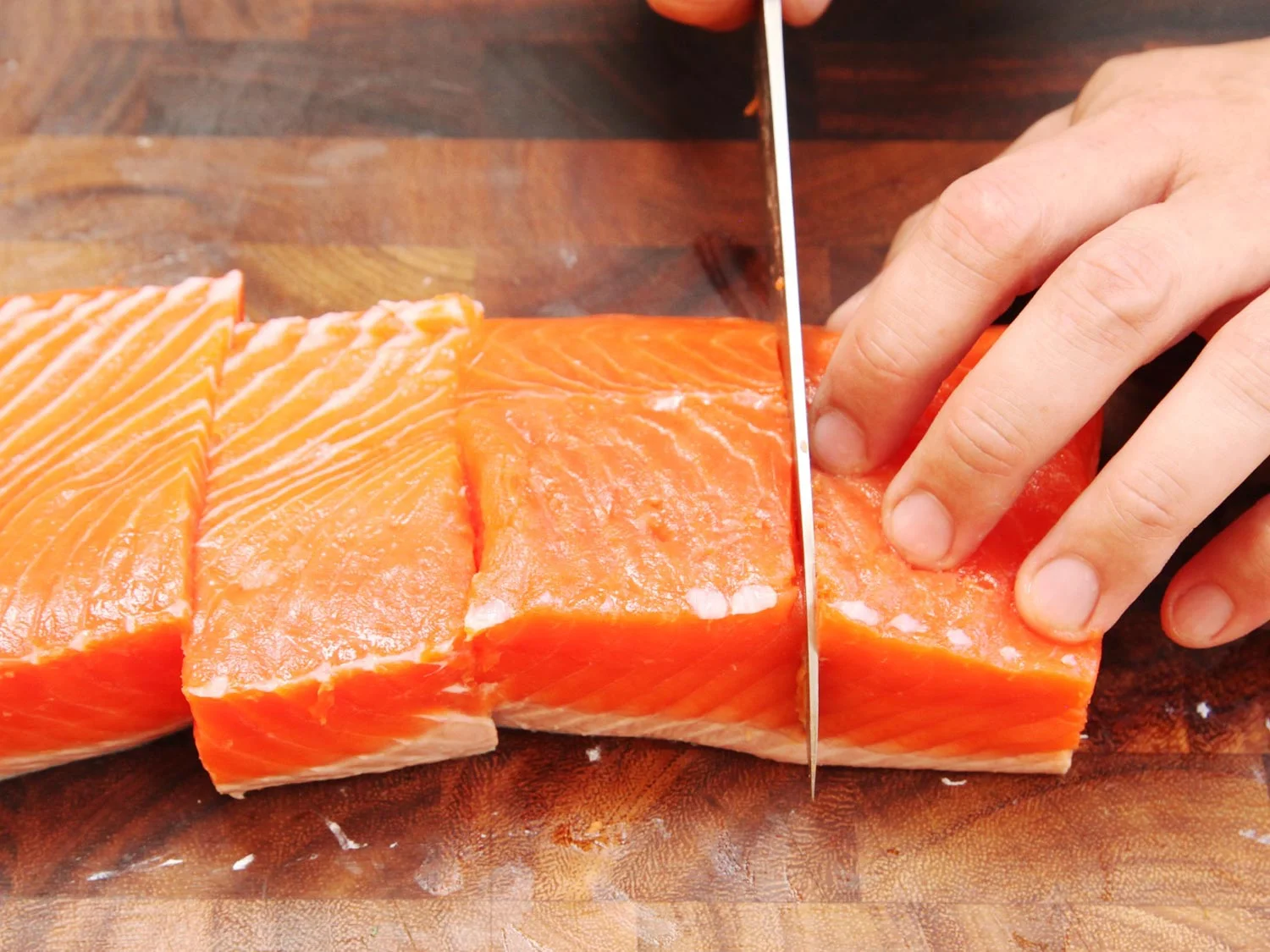
  • Salmon, portioned into 2 inch pieces, skinned if possible (4 portions)

Marinade:

  • 1/2 grated red onion 
  • 1/4 cup Tamari/soy sauce
  • 1/2 cup olive oil
  • 1/4 maple syrup
  • pepper

Vegetables:

  • 1 large sweet potato, peeled
  • 2 carrots, peeled
  • 3 beets, peeled
  • 1/2 red onion
  • 2 cloves garlic
  • 1 tbsp balsamic vinegar
  • 2 large handfuls brussel sprouts
  • 1-2 scallions or 1 leek
  • 1/2-1 tbsp dijon mustard

Directions:

  1. Preheat oven to 400F. In a bowl, add all marinade ingredients and pepper and mix. Set salmon in marinade and place in fridge to marinate for 10-30 minutes.
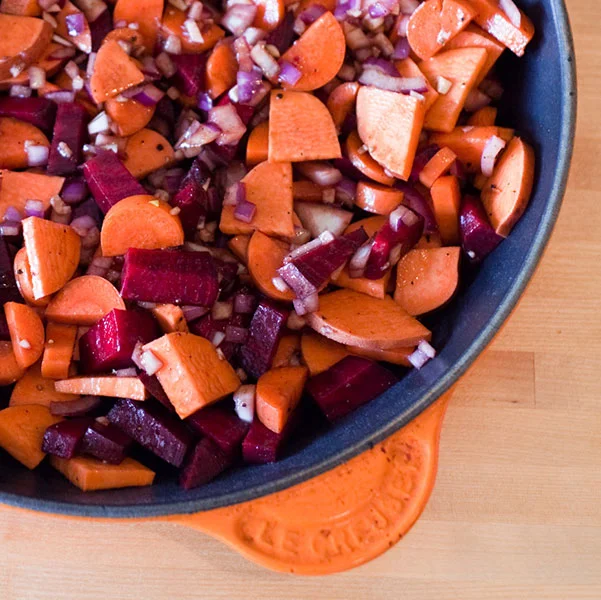
  2. Chop all vegetables (bite sized) and drizzle with olive oil, balsamic vinegar and salt and pepper. Pour vegetables into a baking pan and put into the oven. Check after 10 min and stir. Check at 15-20 minutes, they will cook more with salmon so don't over cook.
  3. Push veggies to one side and add salmon to the pan. Drizzle with a sprinkle of maple syrup and a pinch of sea salt. . Check at 10 minutes, once flakey it is done. (10 minutes/inch).
  4. While veggies are cooking, slice Brussels sprouts thinly or shred in food processor. Heat olive oil over medium heat. Then sauté 1 clove garlic (or depending on how many sprouts) and scallions/leek for a few minutes.
  5. Add Brussels sprouts and sauté, stirring often, until cooked. There should be some browned bits for flavour. Turn off heat and add a 1/2-1 tbsp of Dijon mustard (to taste), salt and pepper.

Enjoy! Remember to let me know what you think. 

In health & happiness,

Dr. Karen

(Photo credit - www.mikaelareuben.com)