Women's Health

Estrobolome - The Gut-Hormone Connection

women.jpg

Improving your digestion goes beyond keeping your gut happy. It is connected to a number of different “systems” in our body, one being your hormones, estrogen in particular. When this isn’t in balance it can affect mood, weight, cycle, libido, acne and even bone health. 

What is the Estrobolome?

The gut microbiome is the collection of bacteria, both good and bad, in the digestive system. Ideally there should be no imbalance in the bacteria, called a dysbiosis, but due to diet, antibiotics, stress, or environmental exposure it is common for an imbalance to occur. 

Among many roles, the gut microbiome plays a crucial role in regulating circulating estrogen levels. Specific microbes in the microbiome, called the estrobolome, specifically do this. The microbes in the estrobolome produce an enzyme called beta-glucuronidase, which deconjugates estrogens into their active forms. This increases estrogens that are reabsorbs and capable of binding to estrogen receptors in the body and influencing those hormonal physiological processes. This process is known as phase 3 estrogen detox and when there is the right amount of beta-glucuronidase, estrogen homeostasis is maintained. When dysbiosis occurs, the estrobolome up-regulates or down-regulates beta-glucuronidase leading to a deficiency or excess of estrogen in the body. I most commonly see an estrogen excess. 

Common signs of excess estrogen which can be influenced by estrobolome are:

  • bloating, especially before your period

  • irritability 

  • acne

  • breast tenderness

  • heavy periods

  • headaches or migraines 

  • PCOS picture 

Issues with deficient estrogens post-menopausal influenced by the estrobolome are:

  • increased risk of osteoporosis

  • increased risk of cardiovascular disease 

  • increase risk of obesity 

What affects the estrobolome?

Anything that disrupt the gut microbiome typically affects the estrobolome as well. 

  • Poor diet and lifestyle are the most common triggers for dysbiosis. Certain bacteria feed on certain food we eat (sugar and gluten as common examples), grow and in tern tell the brain to eat more of that food, causing an overgrowth. Studies have shown that a shift in the diet can induce microbial shifts within 24 hours. Focus on organic food when you can, cruciferous vegetables such as broccoli and brussels sprouts and fibre. 

  • Antibiotics and birth control pills both have been found to alter the microbiome and estrogen levels, leading us to believe it is affecting the estrobolome. 

  • A broad spectrum probiotic can influence the microbiome to shift positively. Antimicrobial herbs may be effective at eliminate an overgrowth. Talk to an ND like me to discuss if these are advised for you. 

  • Calcium-D-Glucurate is a supplement that is a beta-glucuronidase inhibitor. This allows estrogen to remain conjugated, in its inactive form, to be safely eliminated from the body. This is very handy for someone with known estrogen excess. 

This gut-hormone connection proves to me that gut health is again at the root of many health concerns. We don’t want to forget proper liver support or hormone support with certain herbs, but it is important to not skip the gut! 

In health & happiness,

Dr. Karen
PMS: Recognizing the Signs and Calming the Craziness

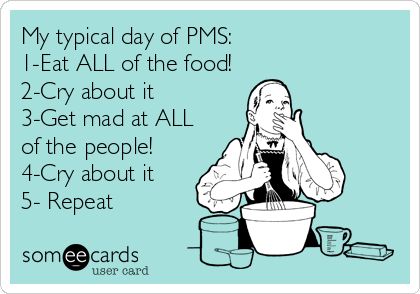
Do you feel like you could snap at anyone who looks at you some days? Or some days do you feel like you could burst into tears at any moment? I get it…I’ve been there! You aren't crazy. These emotions might seem out of the blue, however if you are tracking your menstrual cycle they may actually happen at the same time every month. You’ve got it…this is the dreaded premenstrual syndrome or PMS. 

I see this often in practice and believe it is important to note that even though symptoms of PMS are incredibly common this is not a normal response. There is usually a reason behind these feelings and symptoms and things that can be done to mitigate them, besides jump to the birth control pill. 

Common symptoms of PMS:

  • Very emotional - angry, teary, irritable
  • Fatigue
  • Breast tenderness
  • Cramps
  • Bloating
  • Food cravings
  • Back pain
  • Acne

What is causing PMS:

Throughout the month your hormones have a cycle and rhythm (See the graph to the right). There is a monthly increase and decrease of both estrogen and progesterone, but they happen at different times. We need proper nutrients, a low stress level, proper blood sugar balance and healthy liver detoxification for these cycles to happen properly. If your body, especially your liver, is not able to metabolism estrogen well an imbalance in the estrogen-progesterone occurs and the above PMS symptoms occur. If you pituitary gland, one of the control centres for your hormones, is not stimulated properly signals to your ovaries aren’t regular, again causing an imbalance in hormones. 

Natural Approaches to PMS:

There are many interventions to decrease PMS symptoms however these are some of my favourites to start with. 

Going with the Flow

By tracking your menstrual cycle you become aware of how your body is responding to these hormone cycles and what symptoms or emotions can be contributed to your cycle. Recognizing this may help you get through it more easily and understand why you may be feeling a little crazy at times. Take time for yourself before your period, take a nice bath, go for a massage or get a good sweat on. 

Magnesium and B6

The birth control pill actually depletes our body of both magnesium and B6. Both of these are vital to hormone regularity, therefore both helpful to decrease symptoms of PMS. Talk to your Naturopathic Doctor about the proper dose for you. 

Broccoli Sprouts

In chinese medicine it is believed that PMS is due to “liver qi stagnation.” This means there is stagnation, or a lack of movement, in the liver. Broccoli sprouts, or in particular sulporophane, up regulates an enzyme in phase II liver detoxification important in excreting excess estrogen. Basically, it gets things moving. Adding broccoli sprouts to a salad, smoothie or as a snack is a good addition to your diet. More liver support may be necessary, including turmeric, I-3-C or DIM depending on the severity of symptoms. 

Seed & Oil Cycling

Since there is natural ebb and flow to our hormones throughout the month, creating a similar cycle in our food helps to produce the proper hormones at the proper time. The seeds and oils carry certain oils, vitamins, and nutrients that can help support the body’s production, release, and metabolism of hormones. Some of the seeds used in seed rotation are flax and pumpkin for the first half of your cycle and sesame and sunflower in the second half. We also add omega 3 and evening primrose oil to the rotation. Adding seeds to smoothies, oatmeal or roll them into energy balls are some ideas to eat them daily. There is the most evidence on the benefits of flax to balance hormones and omega 3s to decrease inflammation. 

Acupuncture

Acupuncture is able to address "liver qi stagnation" specifically with certain acupuncture points. There are several studies supporting the use of acupuncture for improving menstrual function and reducing symptoms of PMS. "One study found that acupuncture was as effective as NSAID therapy for dysmenorrhea, a cycle with severe PMS symptoms, especially cramping."(1) I find this a very helpful adjunctive treatment for both myself and my patients. 

Again, these are some interventions I like to to start with for PMS. If your symptoms are causing you a lot of distress, please reach out to myself or your local ND for further support. Testing may be necessary to assess hormone levels, or look for any concurrent issues such as PCOS, endometriosis or fibroids. 

In health & happiness, 

Dr. Karen

5 Reasons That Scale May Not Be Budging

Although I sometimes wish we could mimic brown bears and pack on weight and hibernate in the winter, our lives keep moving forward in the colder months. The weight, however, may still be something you have acquired and are struggling to shed. Although it may be keeping you warm at night, it might be preventing you from doing activities you love or feeling like yourself. Have you tried different diets or exercise routines but are not seeing results? Below are 5 reasons why that scale may not be budging:

1. Lack Of Sleep:

During stage 4 sleep is when we decrease inflammation, eliminate toxins and decrease cortisol, our stress hormone. It has been shown that lack of sleep increases the hormone ghrelin which stimulates hungry[1]. Therefore when we have a poor sleep, we tend to eat more the next day. We also are less inclined to make better food choices and get some exercise. Aim for 7-9 hours a night with little or no interruption.

2. Hormone Imbalance:

A common complaint for menopausal women is their belly fat, or the so-called muffin top. A decrease in estrogen stimulates a production of body fat to store estrogen. High estrogen, causing PMS symptoms, can also be a problem as it is associated with water retention. Good liver support is necessary in these cases to ensure proper estrogen excretion and balance.  

3. Chronic Stress:

When we are exposed to chronic stress, either from work, family or other factors, our nervous system is in overdrive. A spike in cortisol spikes blood sugar and can lead to increased hungry, cravings and body fat[2]. When we become burnt out our cortisol level drops, leaving us with an imbalanced hormonal system and low energy. Decreasing stress by adding more gentle exercise such as yoga, deep breathing or an adrenal support supplement may be helpful.

4. Food Sensitivities:

Do you ever feel bloated or that your stomach is hard? It may be due to a food sensitivity. This is another common barrier I see in my practice and something that is easy to control. If you are eating something your body does not agree with, an inflammatory response is produced. Inflammation leads to water retention. In my practice, when we eliminate a food sensitivity, determined via an IgG blood test or an elimination diet, we almost always see weight being shed quickly.

5. Lack Of Protein:

A lack of protein in our diet can lead to mood disorders, memory loss, increased appetite and cravings, decreased metabolism, sleep disruption, muscle loss and weight gain. In fact, I find that many patients are eating too many carbs and not enough protein when they initially come visit with me. Protein packs a punch because it stimulates the activity of many of our fat-burning and appetite-controlling hormones when we consume it in the right amounts. A serving should be the size and width of your palm and eaten three times a day with a smaller serving as a snack. For weight loss, start by having protein at each meal and only one meal a day with a focus on carbohydrates.


If you are discouraged from not seeing the scale budge, you may be experiencing one of these 5 barriers. Some extra support and testing may be all you need to start seeing results. I have seen big shifts in weight when we address these issues and even add in a little jump start. I am here to help!  

In health & happiness,

Dr. Karen


References:

[1] http://onlinelibrary.wiley.com/doi/10.1111/j.1365-2869.2008.00662.x/full

[2] http://www.psyneuen-journal.com/article/S0306-4530(00)00035-4/abstract


Magnesium: The Relaxation Mineral

Magnesium is one of my favourite minerals and one I use a lot of in my practice due to the plethora of conditions it can help treat. Mainly it is a relaxation mineral, relaxing your muscles, mind and mood. It is a very simple mineral but a common definitely we tend to have. 

Magnesium is crucial to our bodies as it is needed in over 300 reactions as a co-enzyme. Basically if we don’t have enough magnesium our body doesn’t work optimally leading to several issues, including high blood pressure, migraines, cramps and even acid-reflux, just to name a few. Unfortunately magnesium is hard to get in our diet due to soil depletion and heavy food processing. It is also depleted from an excess of coffee or pop. It is found in foods such as seaweeds and other leafy greens, as well as nuts and seeds but it is difficult to eat enough of these foods to get sufficient magnesium levels. Multivitamins also don’t typically have enough magnesium to top up what we do get from our diet. Those supplements tend to have 0-70mg/tablet, which is far lower than the recommended dose. 

Wondering if you could use magnesium? What does magnesium help with:

  • Muscle pain - relaxes skeletal muscle, which we use during exercise and which get tight during times of stress 
  • Cramps - either muscle cramps like charlie-horses or hormonal cramps during your period
  • Constipation - relaxes smooth muscles in your gut (magnesium citrate is the best form for this)
  • Migraines - a great addition for migraine treatment plan 
  • Insomnia - helpful to take before bed
  • Stress - the more relaxed we are the better we can handle stress
  • Hypertension
  • fibromyalgia
  • Acid reflux
  • PMS - balances mood
  • Metabolic syndrome - eg. diabetes
  • Hypothyroidism 
  • Osteoporosis - helps to build bone
  • and so on!

I usually use magnesium bis-glycinate in my practice as it is more highly absorbable and has less side effects, ie. loose stools. Magnesium citrate is only helpful with constipation. The dose varies depending on the person and symptoms, however a good starting dose would be 400mg at night. working up from there if needed. Talk to your ND about what dose is right for you. Epsom salt baths are a great addition to your bath routine as well as they are full of magnesium. Myers intravenous therapy, which I do in my practice, is another great way to get a helpful boost of magnesium. It is a safe supplement to take however be cautious and speak to your doctor if you have hypertension, kidney disease or are pregnant. 

Crave chocolate? You might just be deficient in magnesium! 


In health & happiness, 

Dr. Karen


(Photo credit: www.purabotanica.ca; articles.mercola.com)